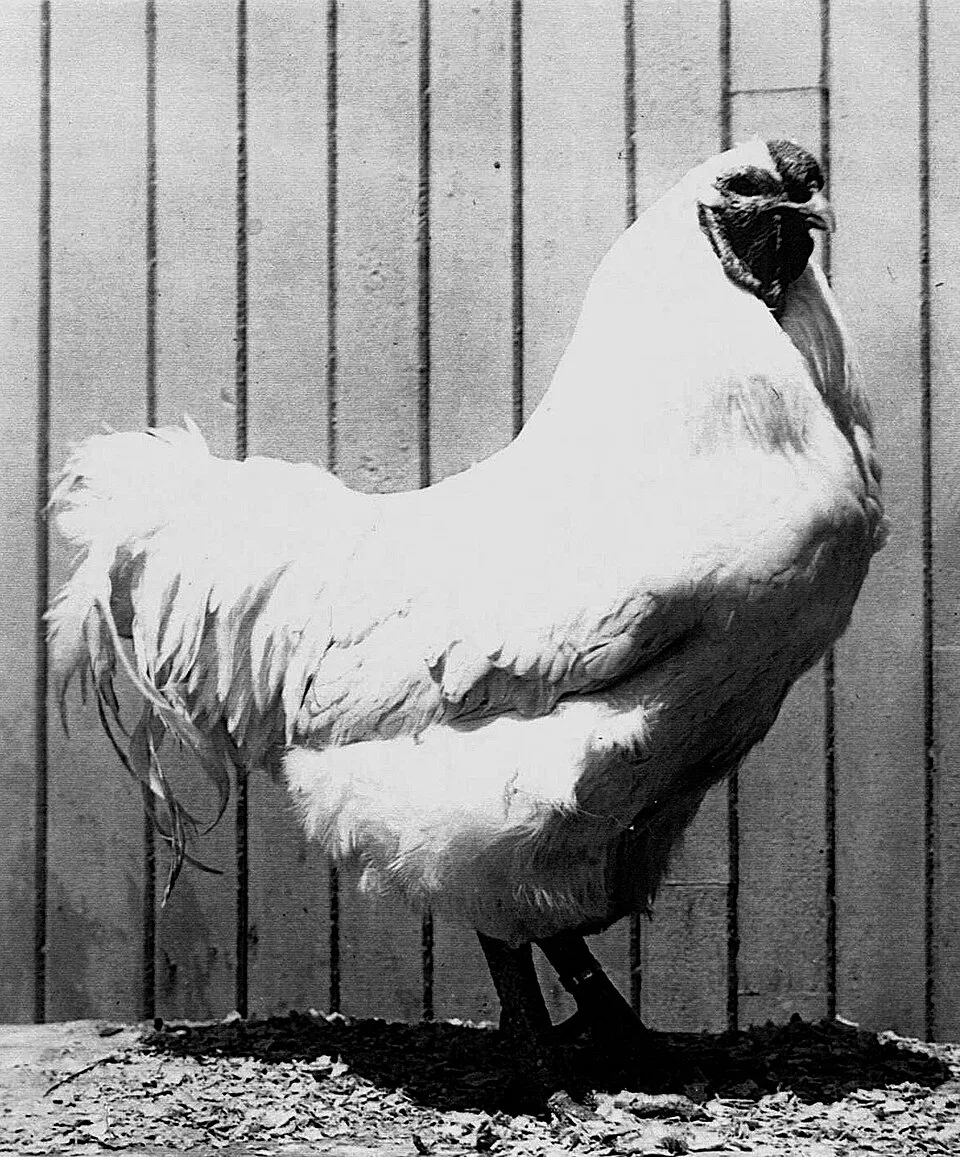
Chantecler was developed in Quebec under Brother Wilfred's direction to produce a practical Canadian chicken for cold conditions. The white project combined several established breeds and was introduced publicly in the early twentieth century. The partridge project had a separate development history in Alberta.
Both are more than color labels on a generic brown-egg bird. Their development goals included utility and winter suitability. That background makes the breed interesting to a northern keeper, while also explaining why selecting only for plumage would miss much of its purpose.
The low cushion comb and very small wattles are important identifying features. White and partridge are the familiar original varieties, with yellow skin and clean yellow legs. The breed is substantial without the heavy foot feathering of Cochin or Brahma.
Use mature-bird weights rather than a lighter quick-reference market figure when comparing your adults. Our practical suggestion is to inspect body balance and condition alongside weight, particularly in heavily feathered winter birds. Size should support a useful dual-purpose bird, not simply make the largest possible photograph.
The reference gives an upper estimate of 220 eggs, rather than a guaranteed yearly floor. White Chanteclers and the later Partridge population share a cold-climate purpose but have distinct development histories.
The “up to 220” laying figure is an upper reference, not a minimum and not a guarantee of an egg every winter day. The sources do not establish one reliable first-lay week across both color projects and all current flocks.
Our recommended pullet record includes hatch date, first egg and production through the first short-day season. That distinguishes late development from a normal seasonal slowdown and gives a better basis for choosing winter-laying replacements than an isolated high-output week.
Chanteclers are described as calm and personable, especially with regular early handling. They can fit a family flock when individual behavior also supports that choice. Broodiness may occur, so a quiet hen on a nest needs observation rather than an assumption that she is simply taking a long laying break.
Our suggestion is to keep the daily routine familiar and compare flock confidence when choosing replacements. A gentle bird should still move freely to feed, water and roosts. Normal rooster precautions apply even to a breed with a calm reputation.
Small combs and wattles reduce exposed extremities, but dry, ventilated shelter and unfrozen water are still the foundations of winter care. Inspect the flock during the coldest occupied period, rather than assuming a Canadian origin settles every housing question.
Warm weather deserves particular attention for a breed selected around winter conditions. Our practical recommendation is to check afternoon shade, air movement and water placement before the hottest season. Keep the summer and winter plans together: adding weather protection must not remove the airflow that makes the shelter usable in heat.
Preserve comb and wattle form, proper body type, sound movement and productive traits alongside the white or partridge pattern. Our suggested record separates growth, ordinary egg production, winter laying and hatch results. This makes it possible to select for useful performance without choosing on a single trait alone.
Record the source of each mating group and the variety clearly. Mixing unidentified stock can blur the history of the two original projects. A conservation-minded flock benefits from retaining family contributions and maintaining a practical breeding population rather than only its most photogenic individuals.
Chantecler deserves consideration when winter is a major part of your keeping year and you want a substantial brown-egg bird. Compare Buckeye and Wyandotte for other low-combed options. In a hot location, assess whether you can provide adequate relief before choosing it. Its heritage is compelling, but the daily climate and shelter determine whether it fits your flock.
A strong winter-oriented choice. Its small exposed head features are an advantage in cold weather, while sustained summer heat calls for a well-planned shaded setup.
These priorities apply the breed traits above to a backyard setup. Use the chick-to-coop planner for young birds and the housing guides for your coop plan.
Questions keepers ask
Does “up to 220” mean at least 220 eggs?
No. It is an upper reference, not the low end of an annual range. Actual output depends on the bird, season and management. Use a recorded year for your flock rather than counting every advertised upper limit as normal. [1]
Are white and partridge simply one original mating in two colors?
No. They have separate development histories. Keep the variety and source identity in your breeding records instead of treating the colors as a casual substitution within an unrecorded mixed pen. [1]
Can Chanteclers live in a warm climate?
They require thoughtful warm-weather care and are not the most obvious first choice for prolonged heat. Shade, water and airflow matter. Evaluate the actual summer conditions and shelter before relying on a general adaptability claim. [1][5]
Is the small comb enough to protect them in winter?
No. It is a useful trait, but moisture, wind exposure and water access remain important. Winter hardiness describes a comparative advantage, not freedom from the need for shelter and daily care. [4]
Reviewed October 7, 2026. Breed organizations, university references and conservation histories establish breed traits; hatchery estimates describe named supplier lines. This profile identifies the source of the figures instead of treating them as one standardized trial.
Our care recommendations and suggested records apply those traits and Extension husbandry guidance to a backyard flock. They are editorial advice, not results from a controlled breed trial. A breed reputation does not establish an individual bird's behavior, health or readiness to move outdoors.
Egg-size words are source descriptions, not measured carton grades. Adult weights refer to mature birds, not market or pullet weights. Conservation categories describe U.S. populations. Examples of varieties are not a complete list of every national registry's accepted colors.