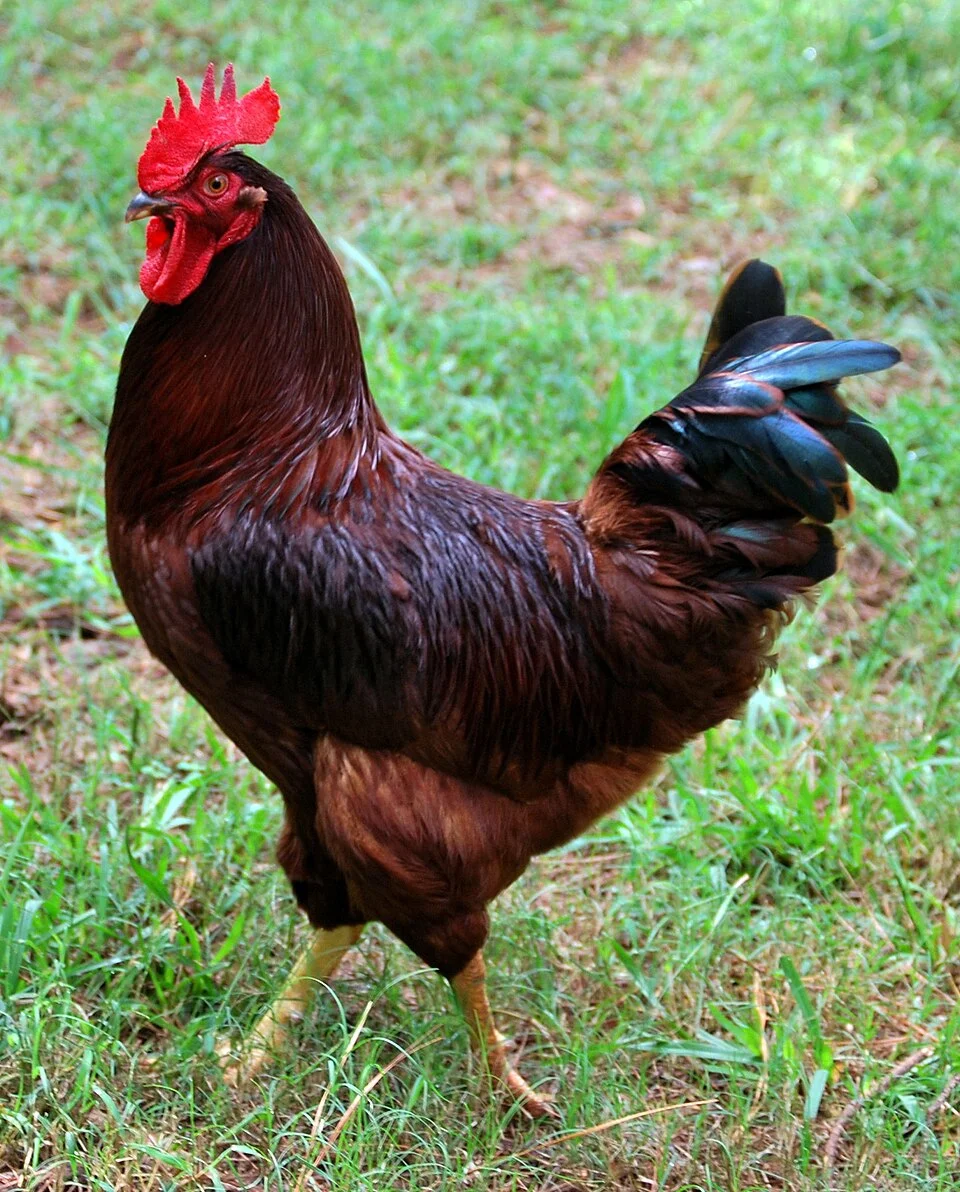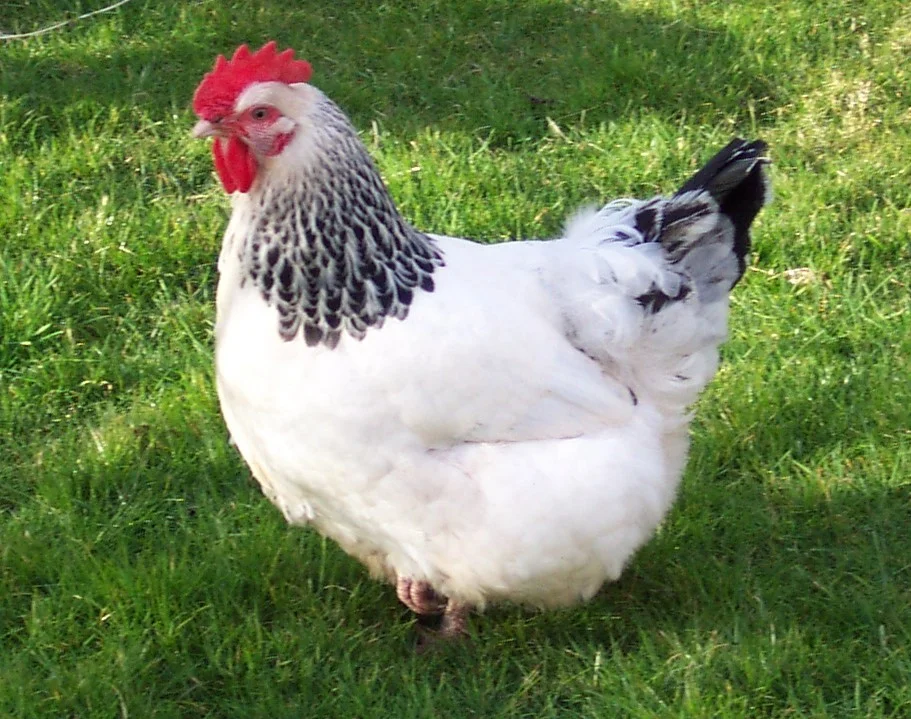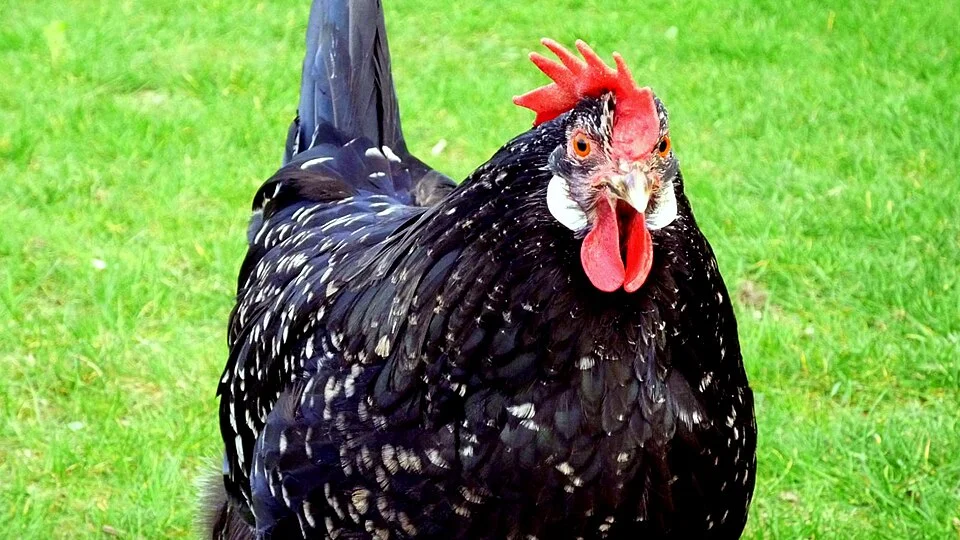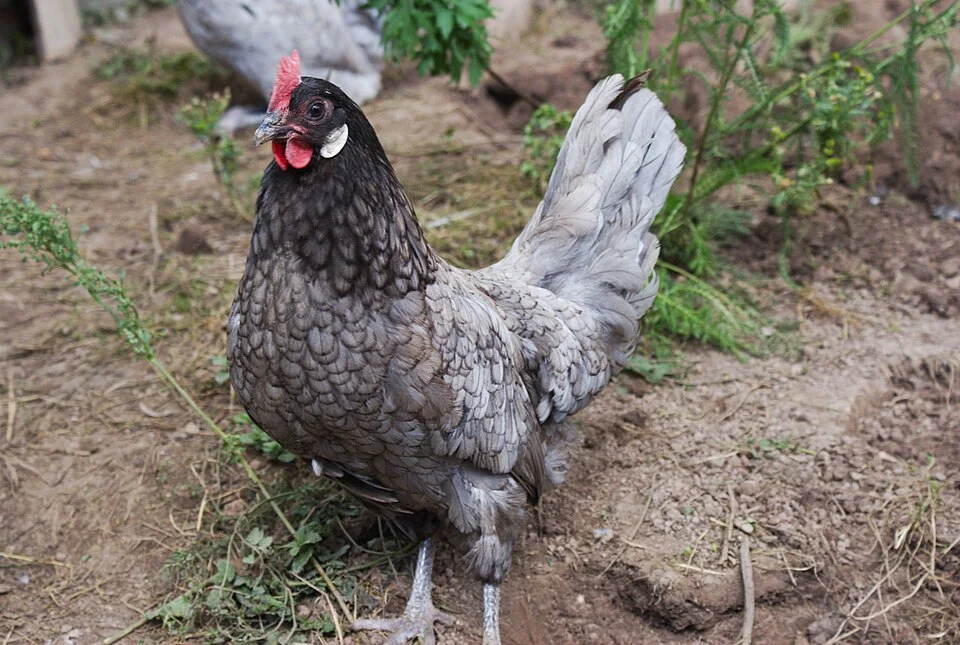
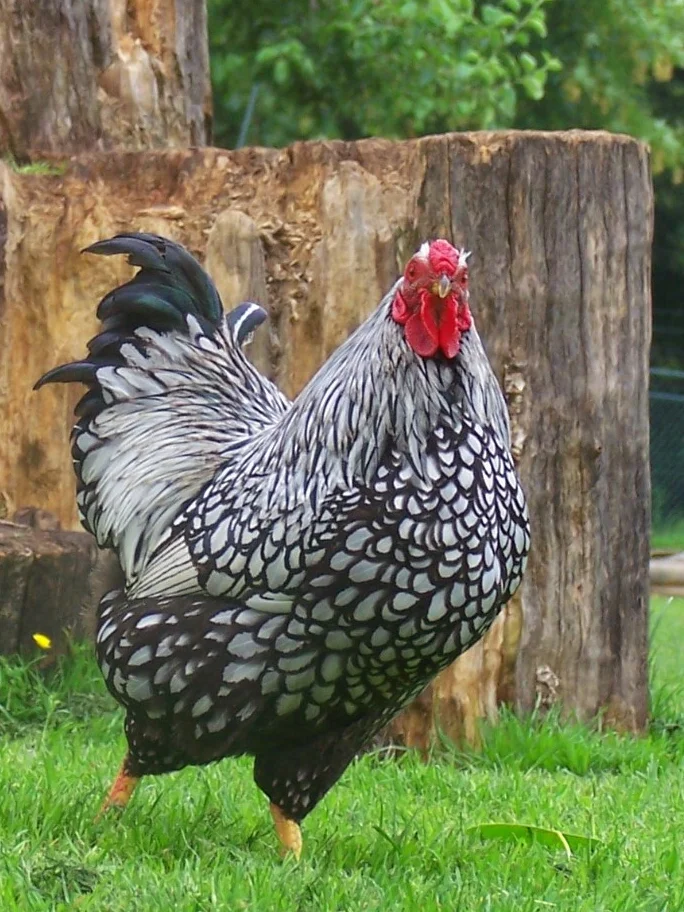
Breed
England Dual purpose
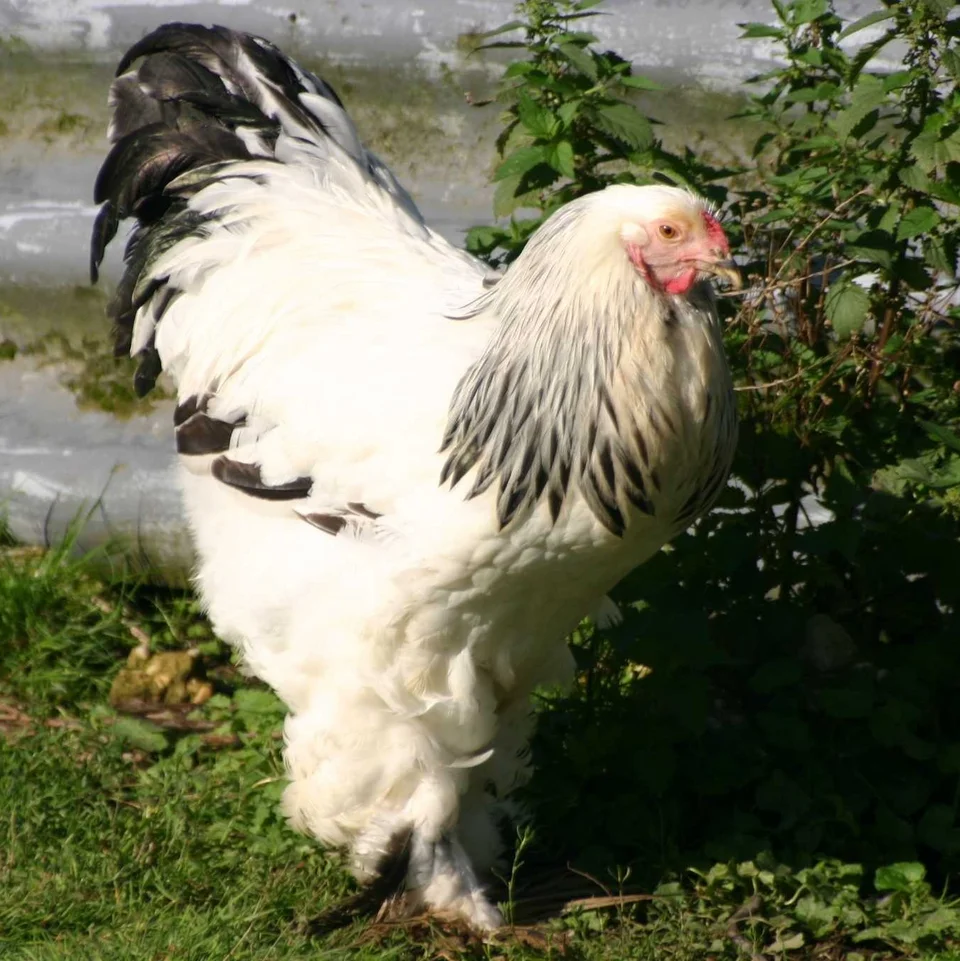
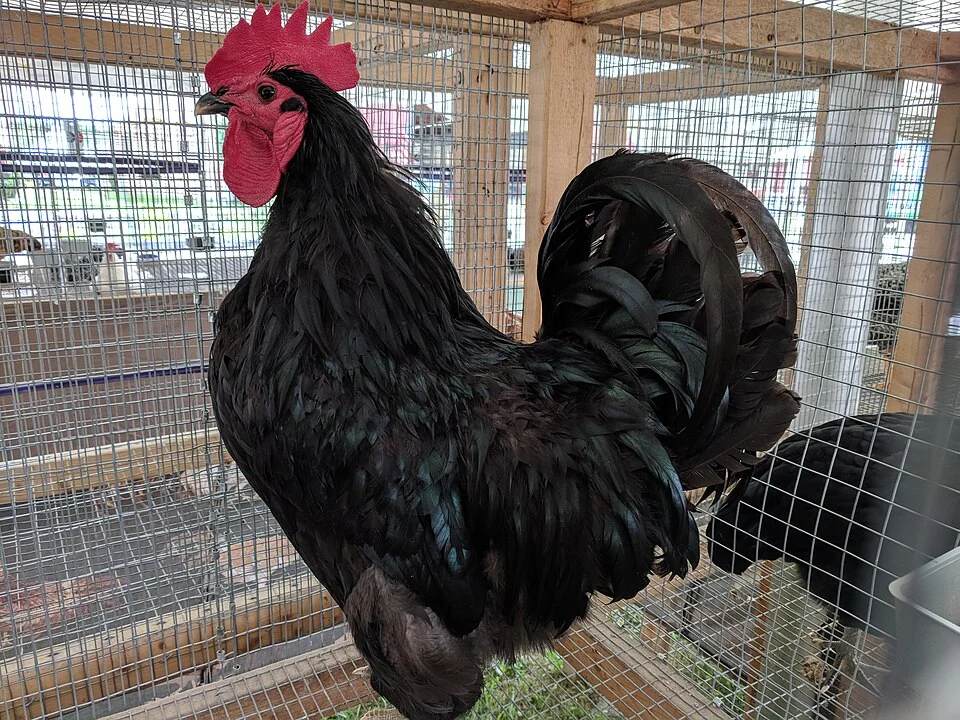
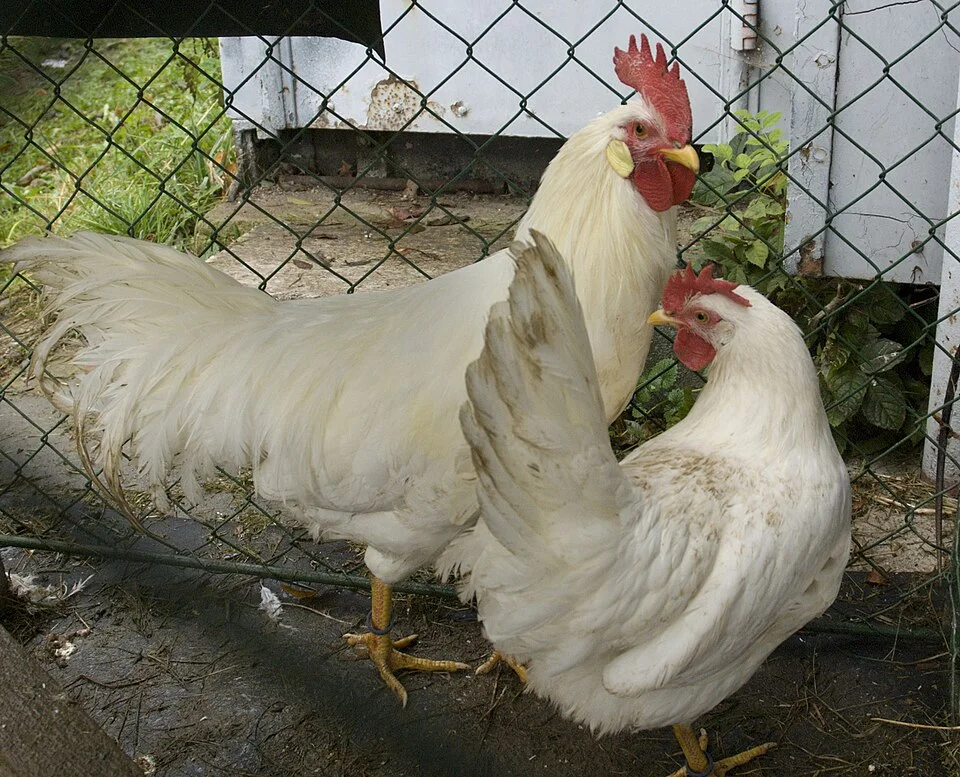
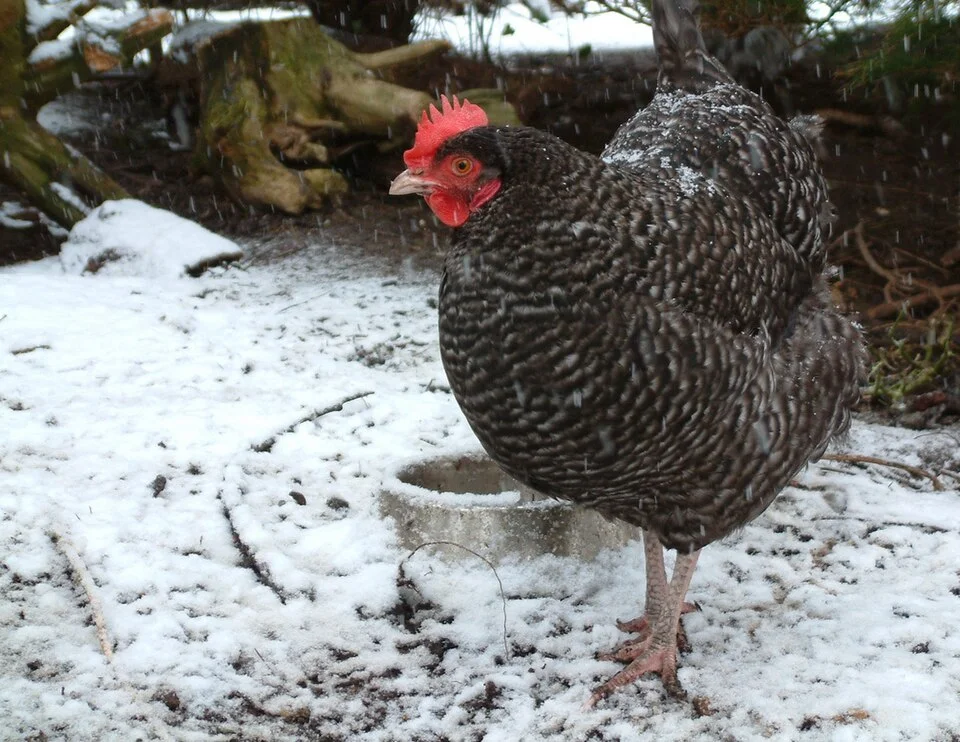
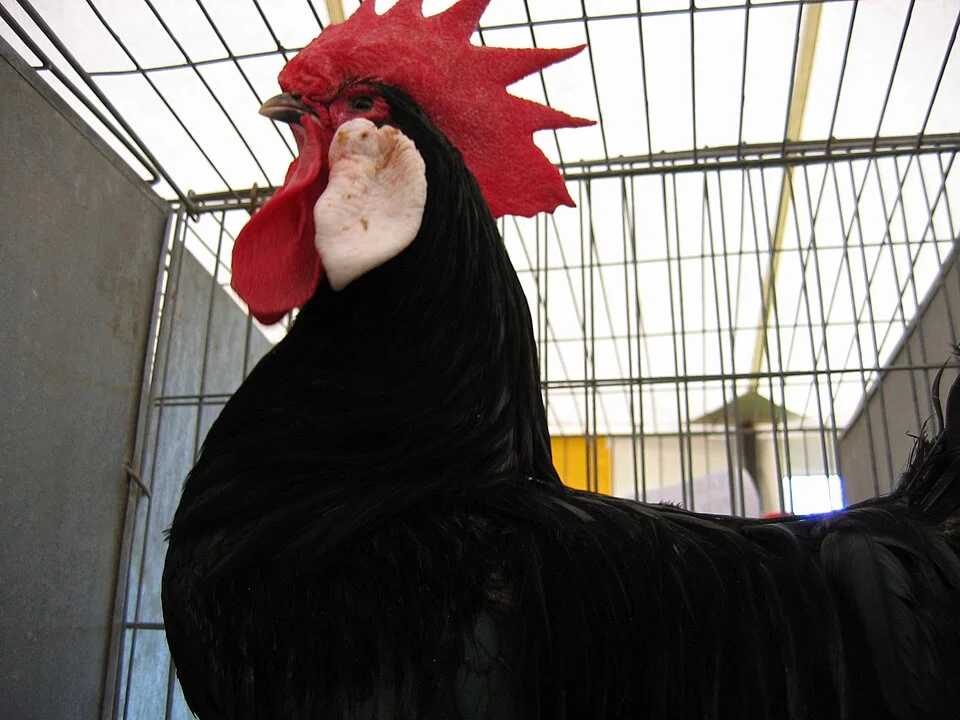
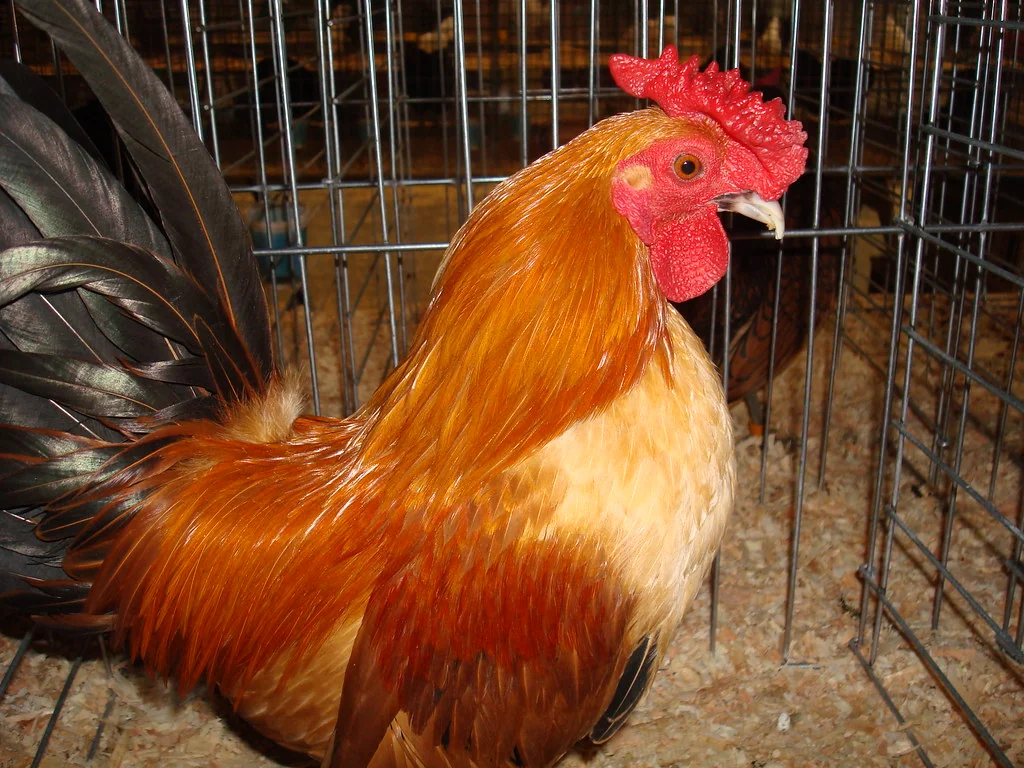
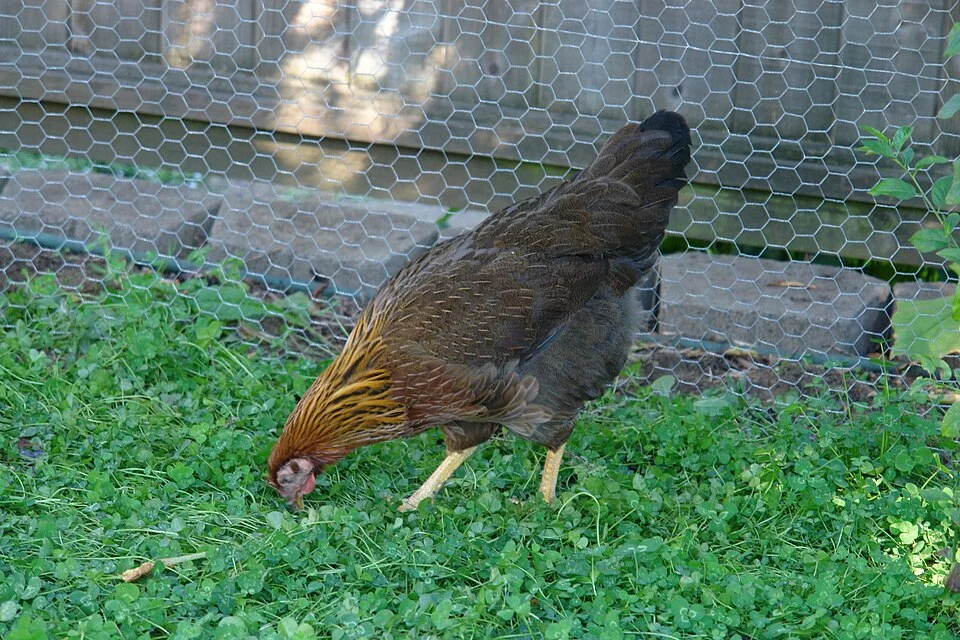
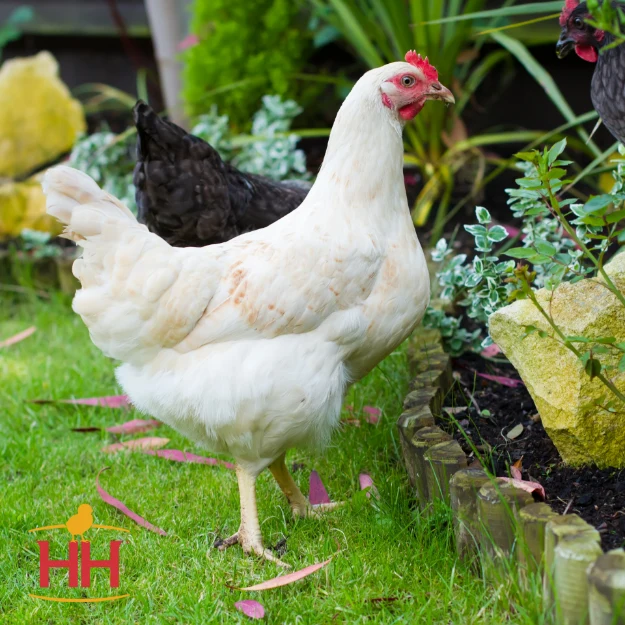
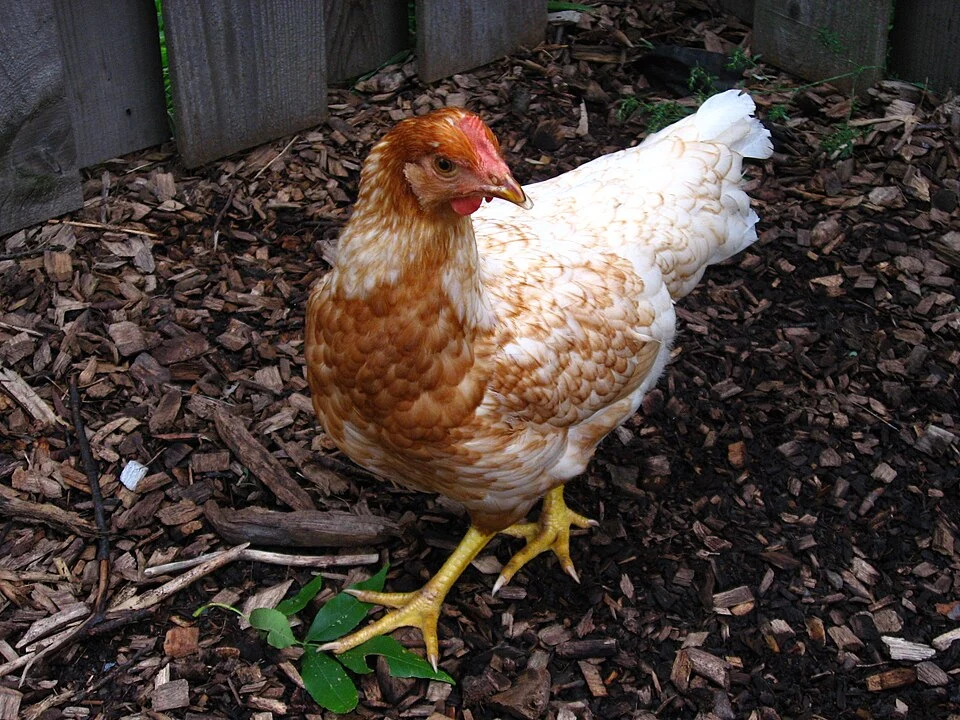
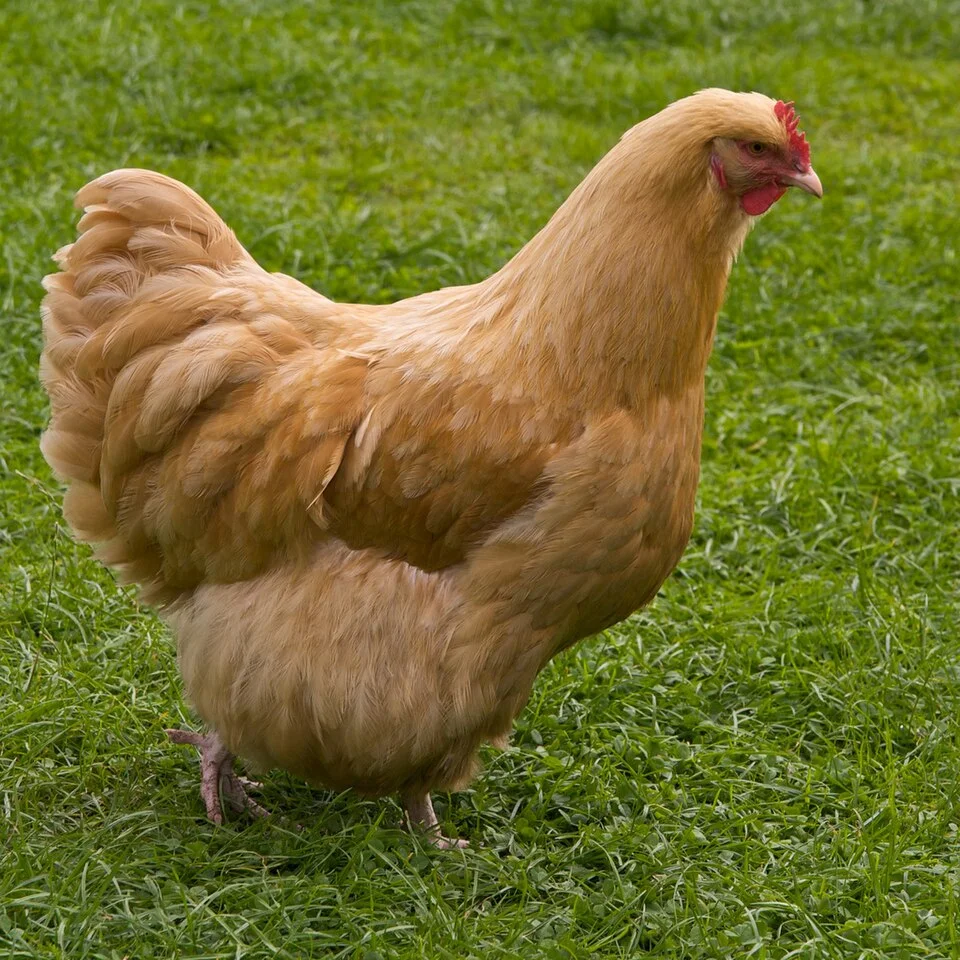
Orpington
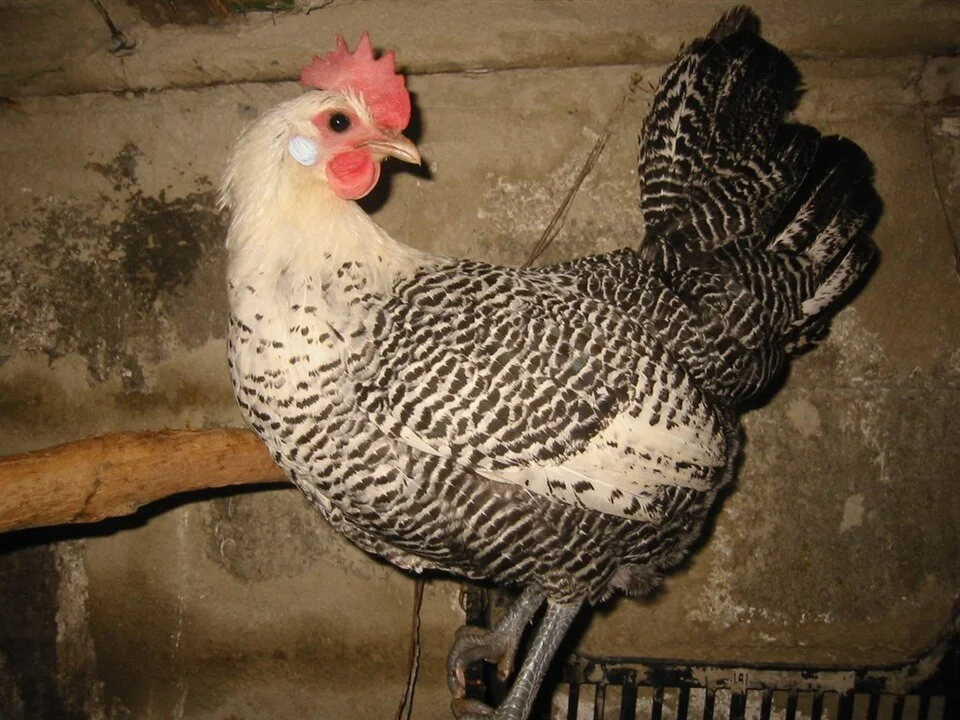
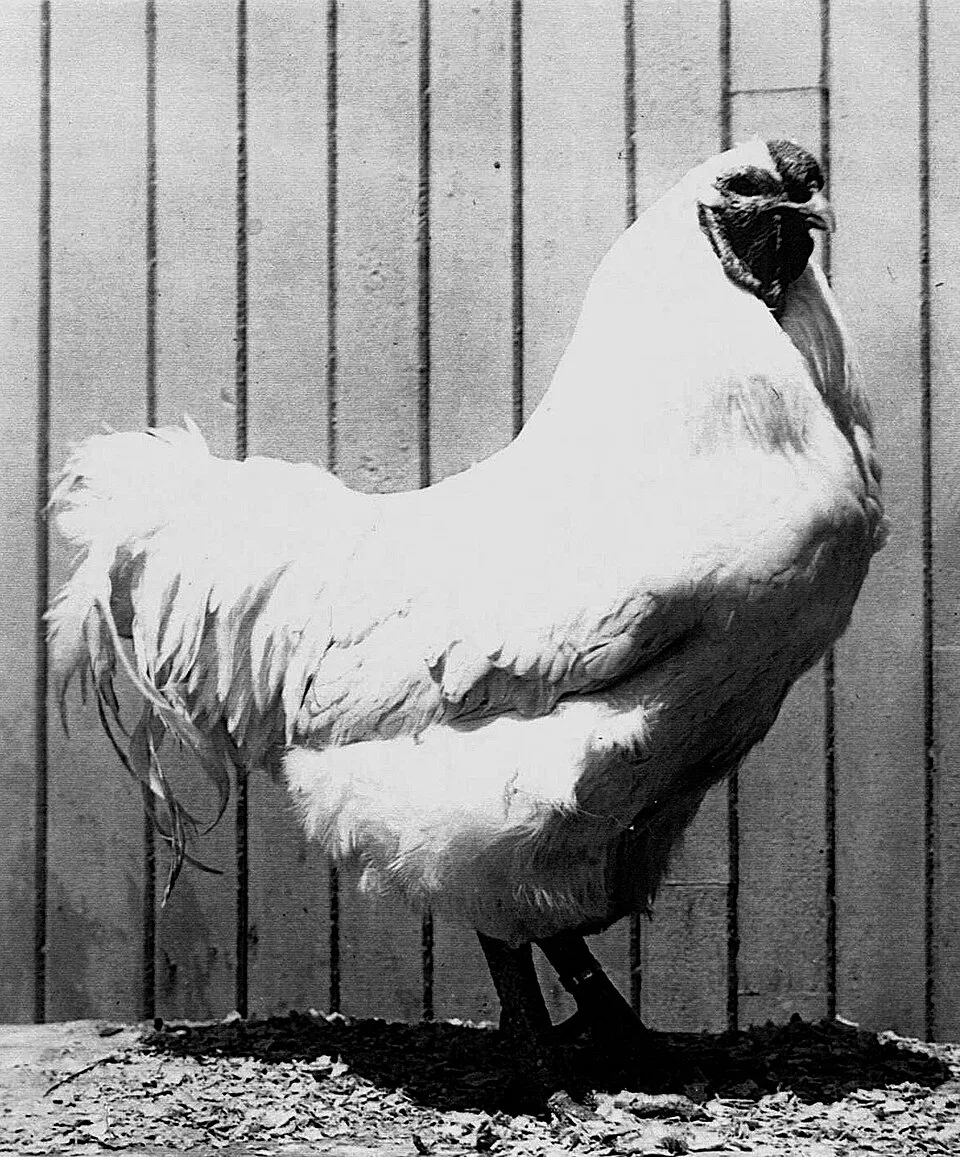
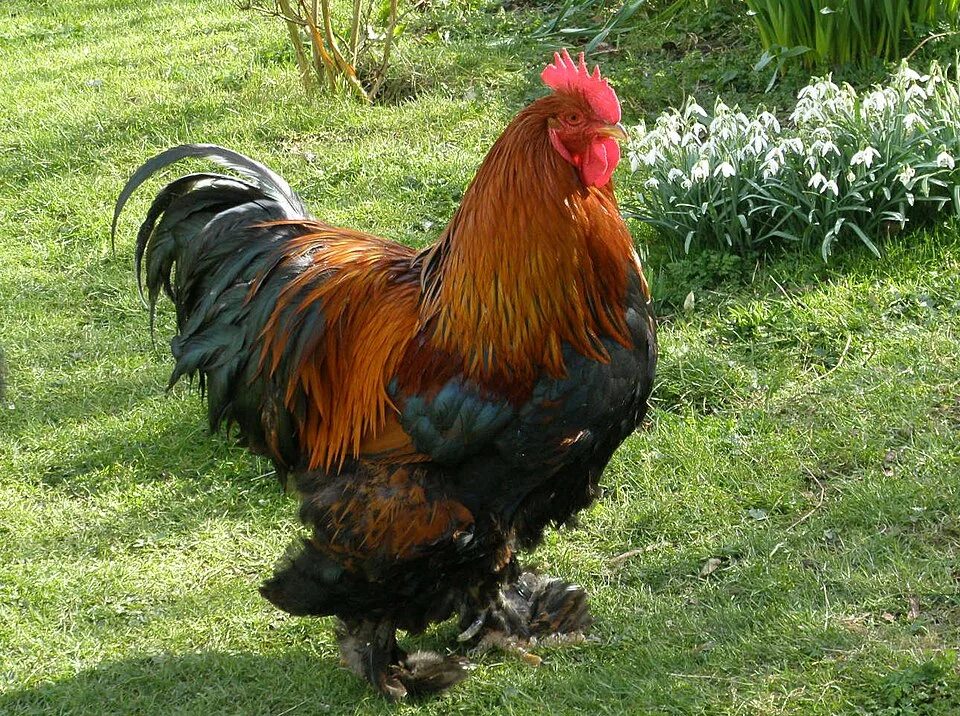
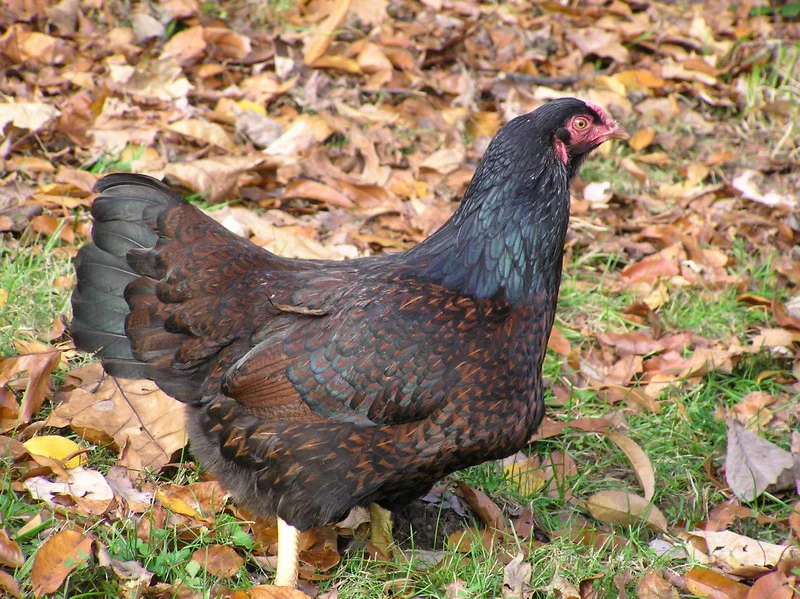
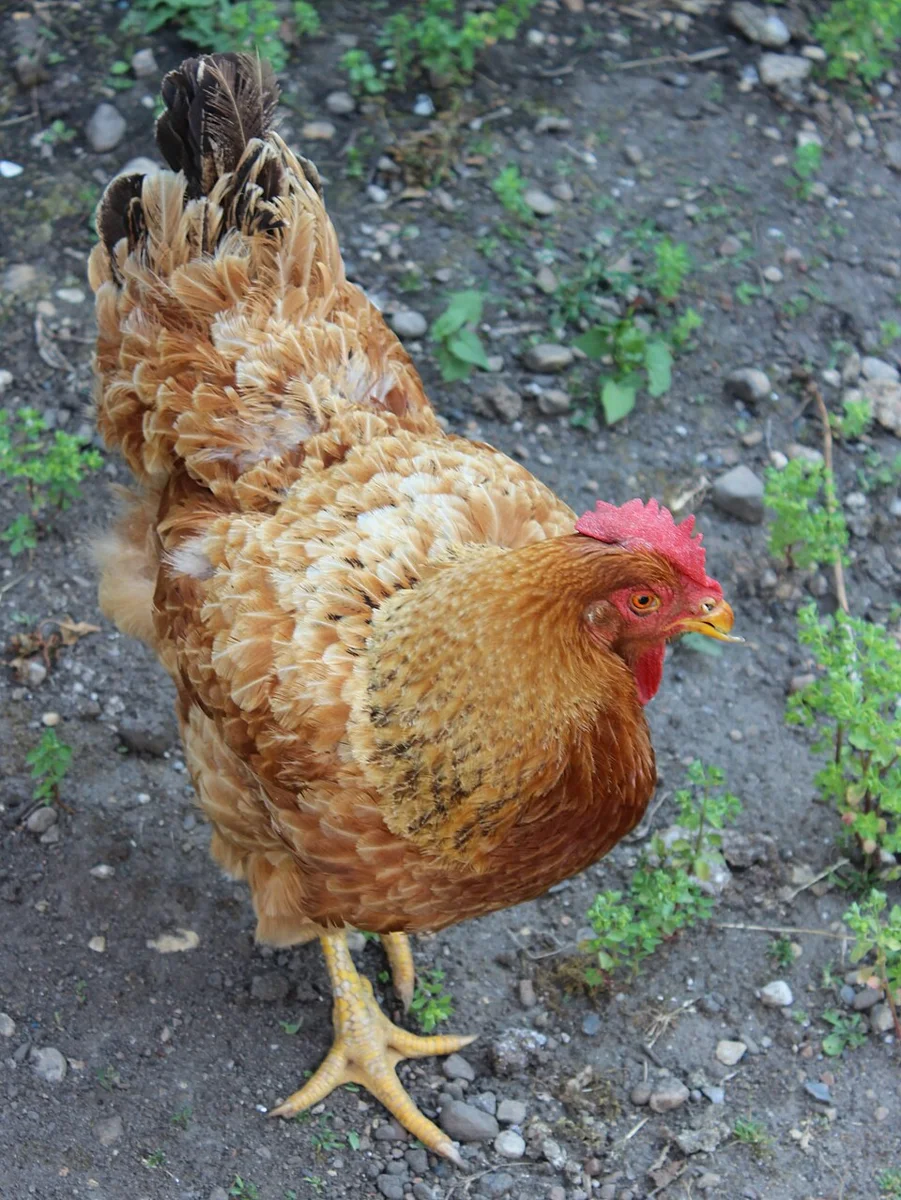
A full-feathered English breed with a calm reputation and many color varieties.
Egg color: Brown
Cooler-climate candidate
The Chicken Keepers field guide
Research before the Chicken Math turns Eggs-istential Crisis.
Your next flock starts here
57 breeds and mixed-breed categories
Favorites are saved in this browser. Clearing browser data removes them.
England Dual purpose
A full-feathered English breed with a calm reputation and many color varieties.
England Egg layers
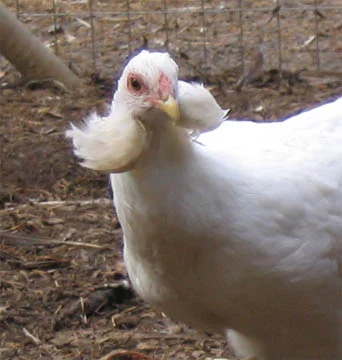
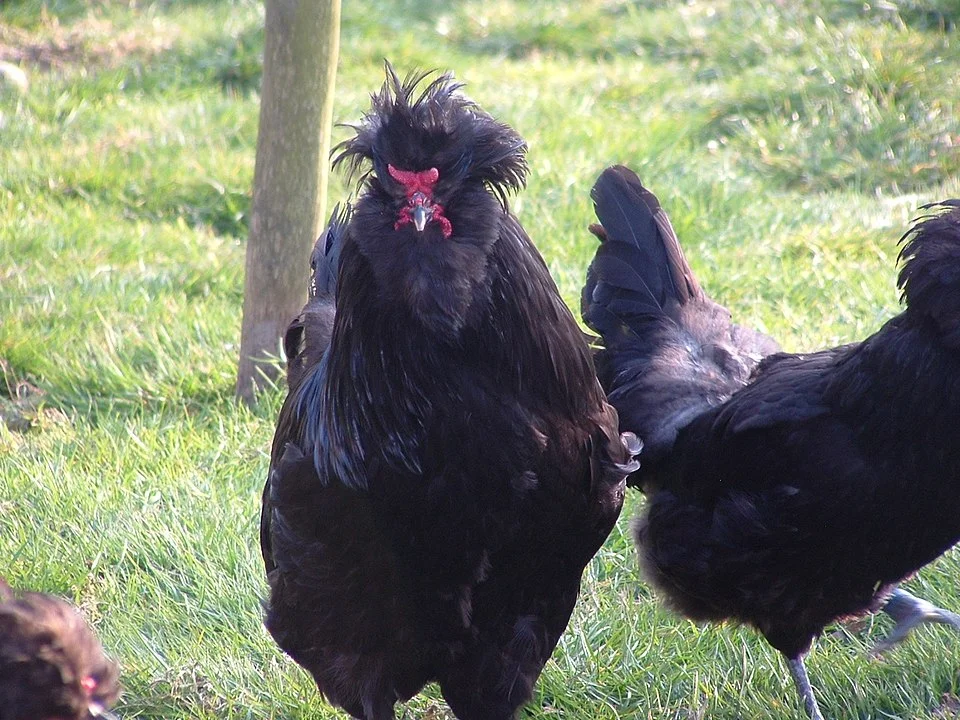
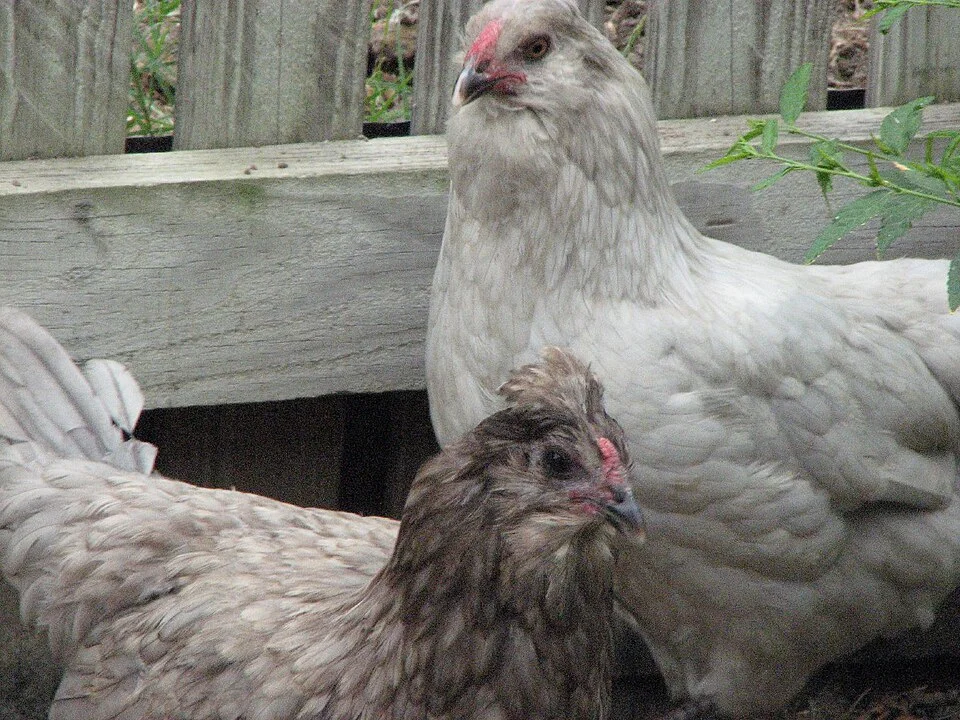
A crested, autosexing blue-egg layer: learn its markings, laying expectations, size and keeping needs.
United States Dual purpose
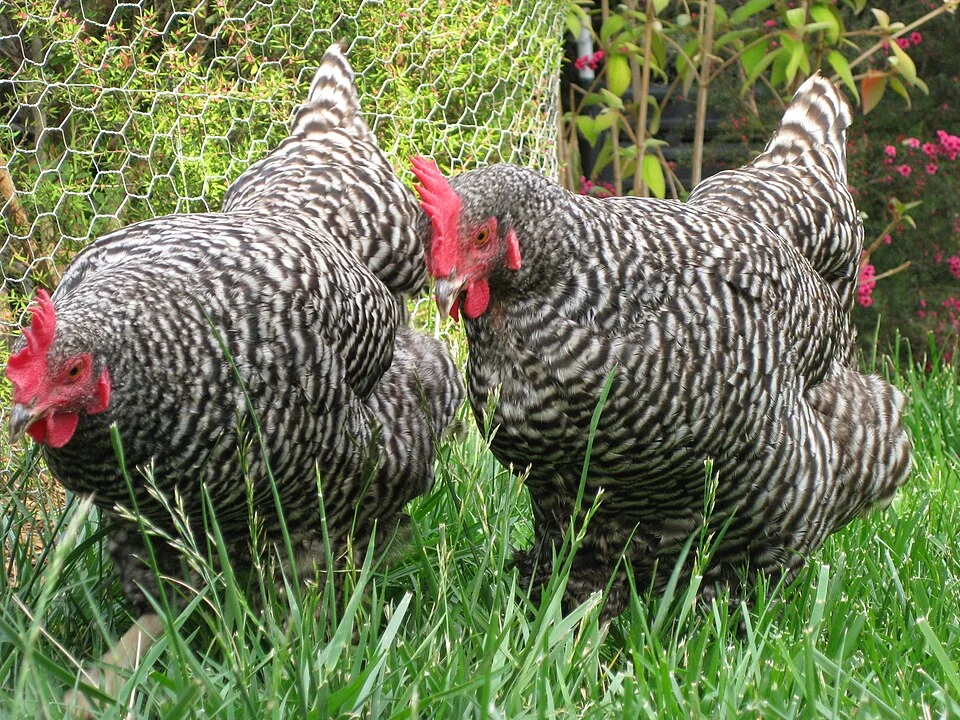
An American breed with a rounded shape and a wide range of striking feather patterns.
United States Dual purpose
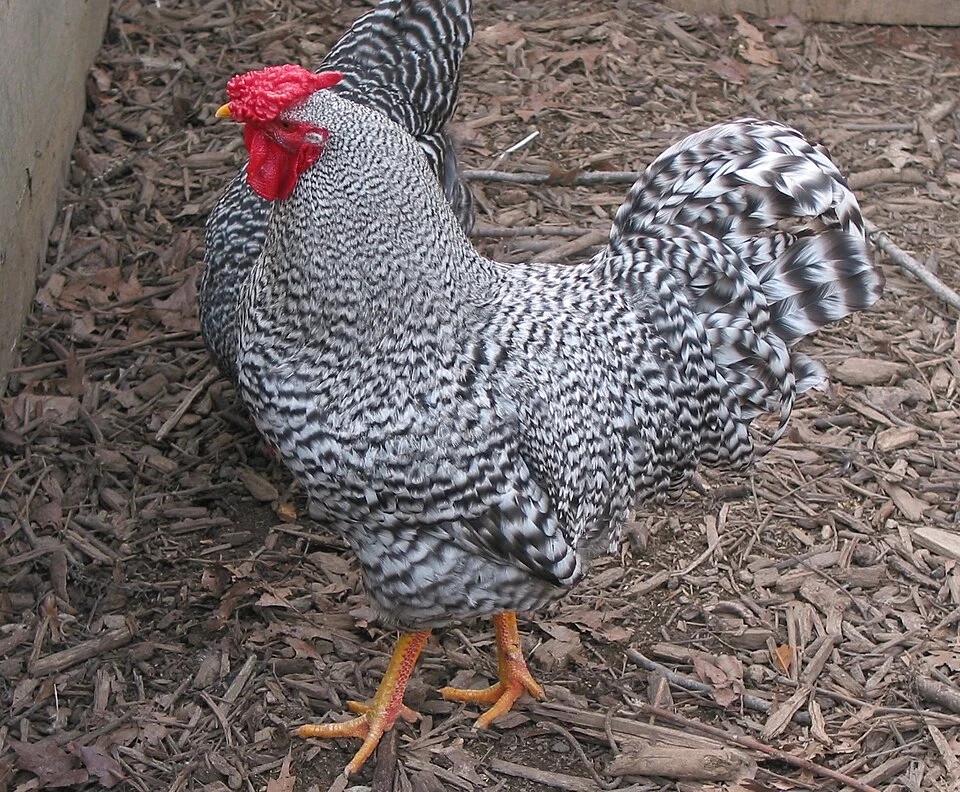
A familiar American farm breed available in barred and other varieties.
United States Dual purpose
A substantial feather-legged breed with a pea comb and an unmistakable brow.
United States Egg layers
Blue eggs, a pea comb, and a distinctive bearded face make this American breed easy to love.
Asian origins Ornamental & companions
Distinctive feather texture and persistent broodiness make Silkies a memorable flock addition.
United States Dual purpose
An American farm breed with red plumage and a long history of brown-egg production.
England Dual purpose
A curious British farm breed with several varieties and a long table-bird history.
Italy Egg layers
A lively white-egg layer with black feathers sprinkled in white.
Spain Egg layers
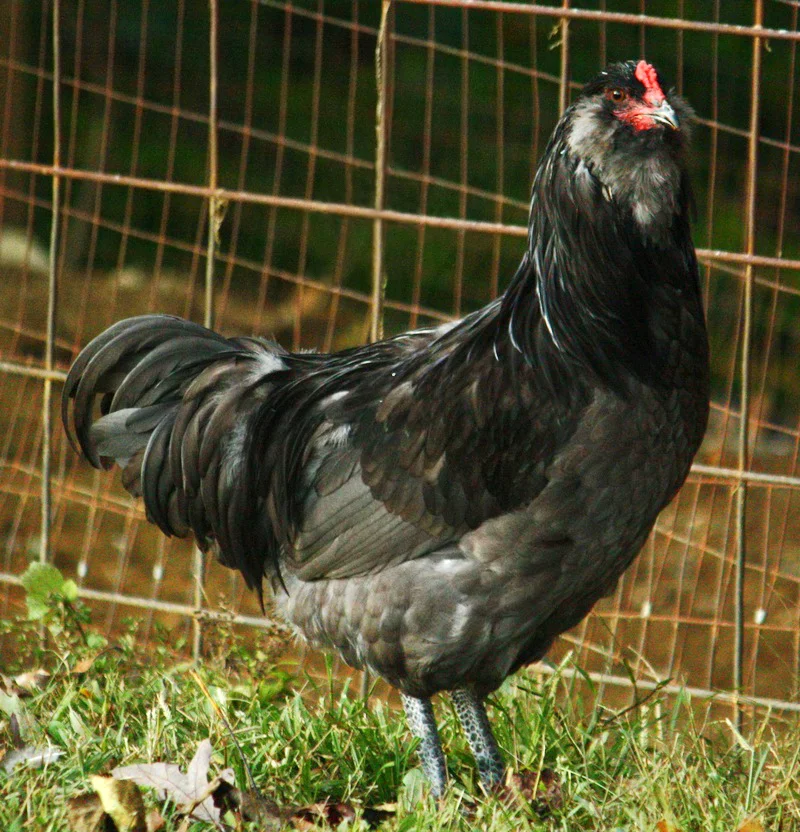
Slate-blue plumage gives this energetic Mediterranean layer its signature look.
South America Egg layers
A blue-egg breed with a distinctive history and different standards around the world.
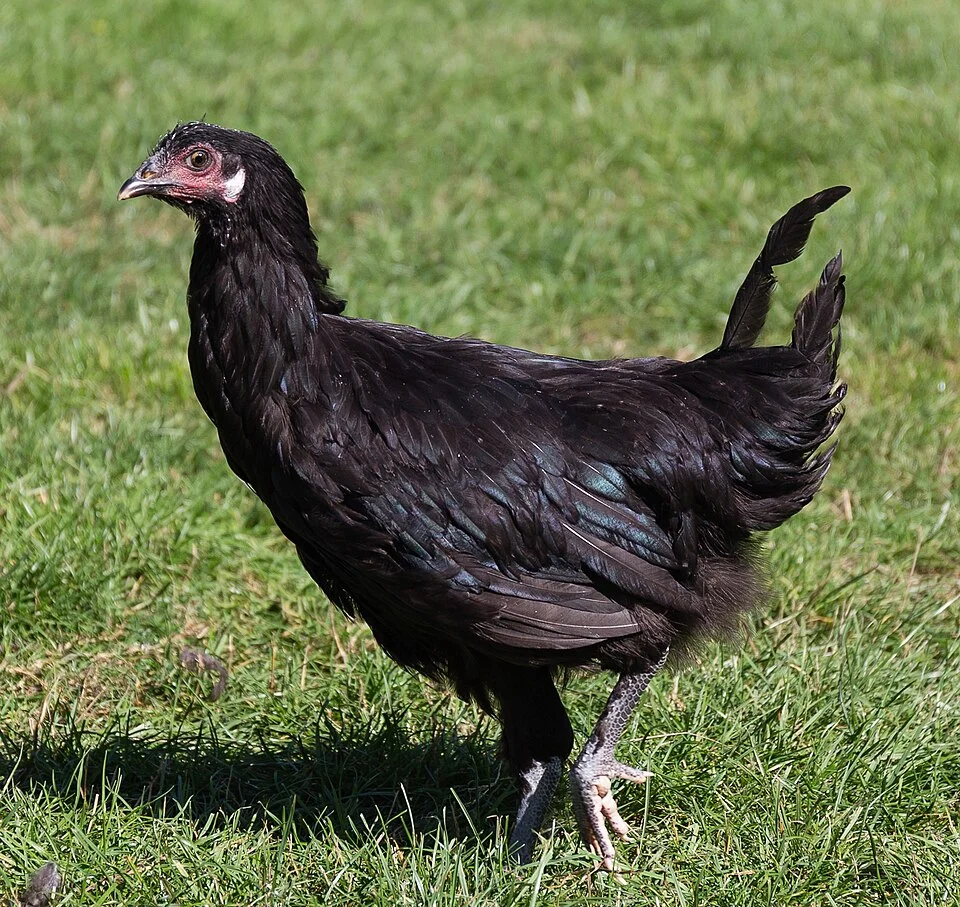
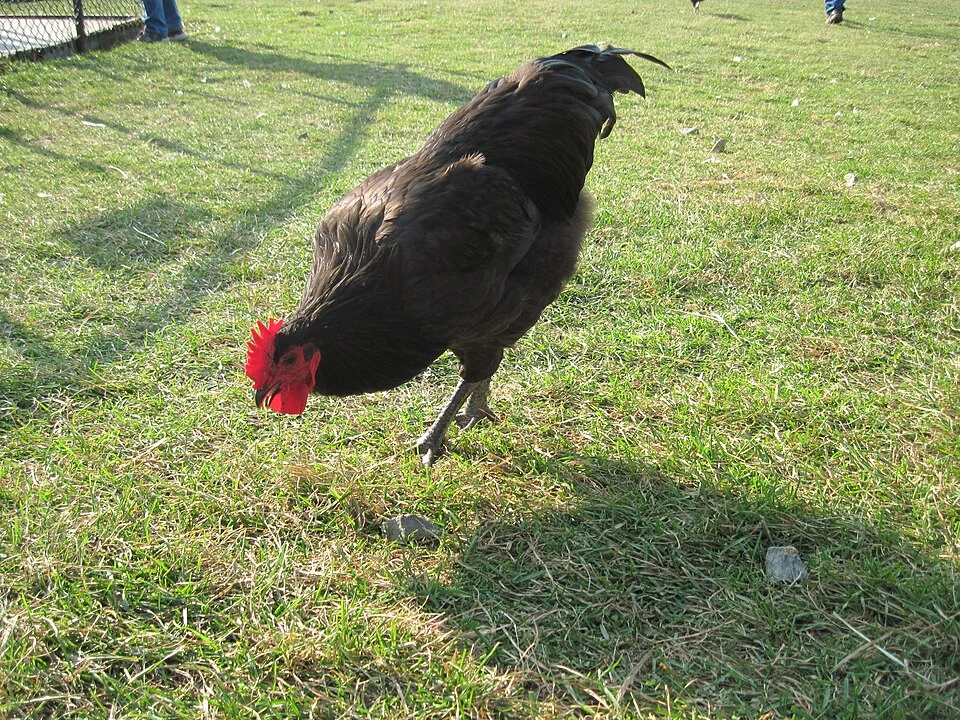
Australia Dual purpose
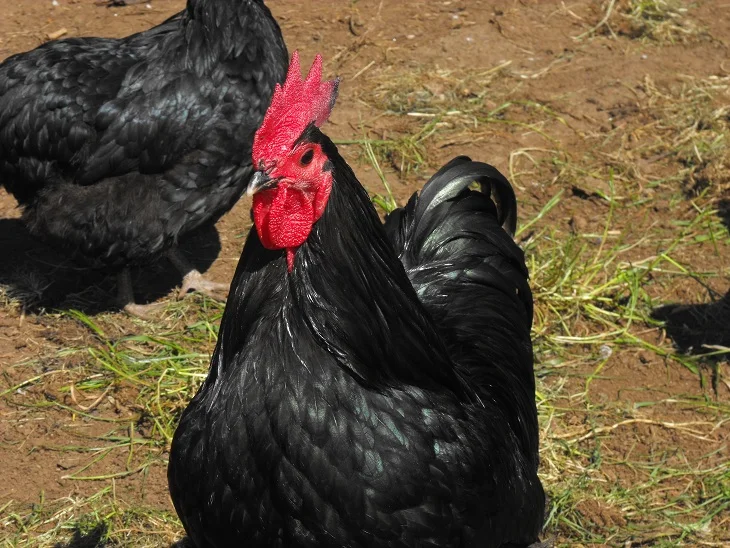
An Australian development of the Orpington, selected with productive laying in mind.
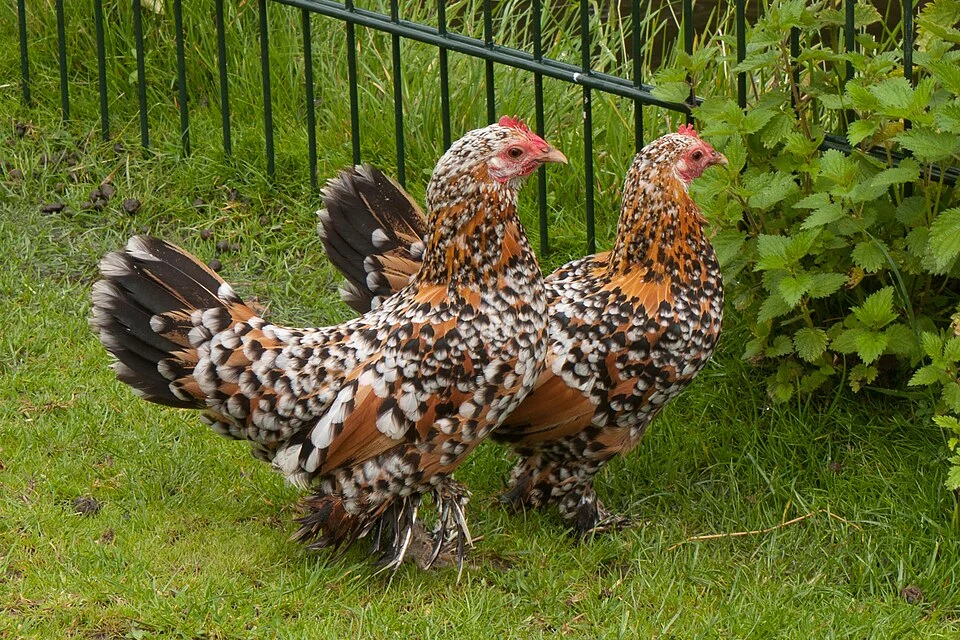
Netherlands Dual purpose
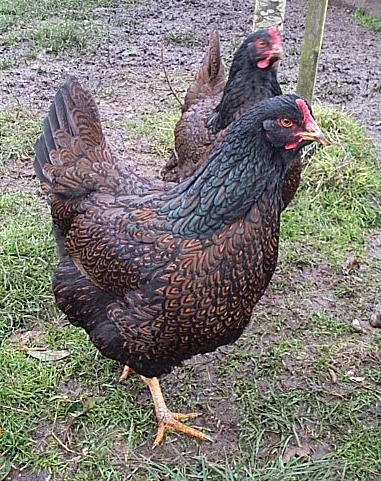
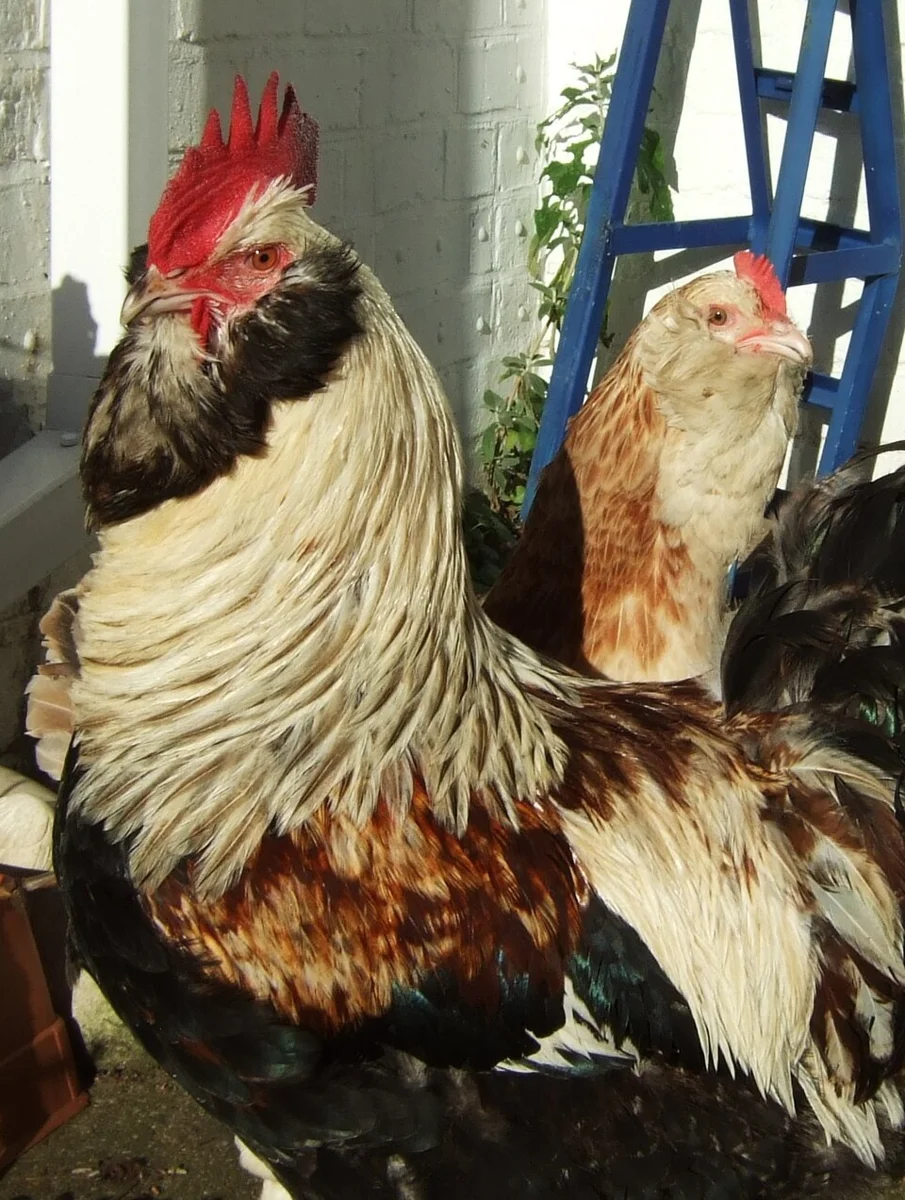
A Dutch breed admired for brown eggs and beautifully patterned feathers.
United States Dual purpose
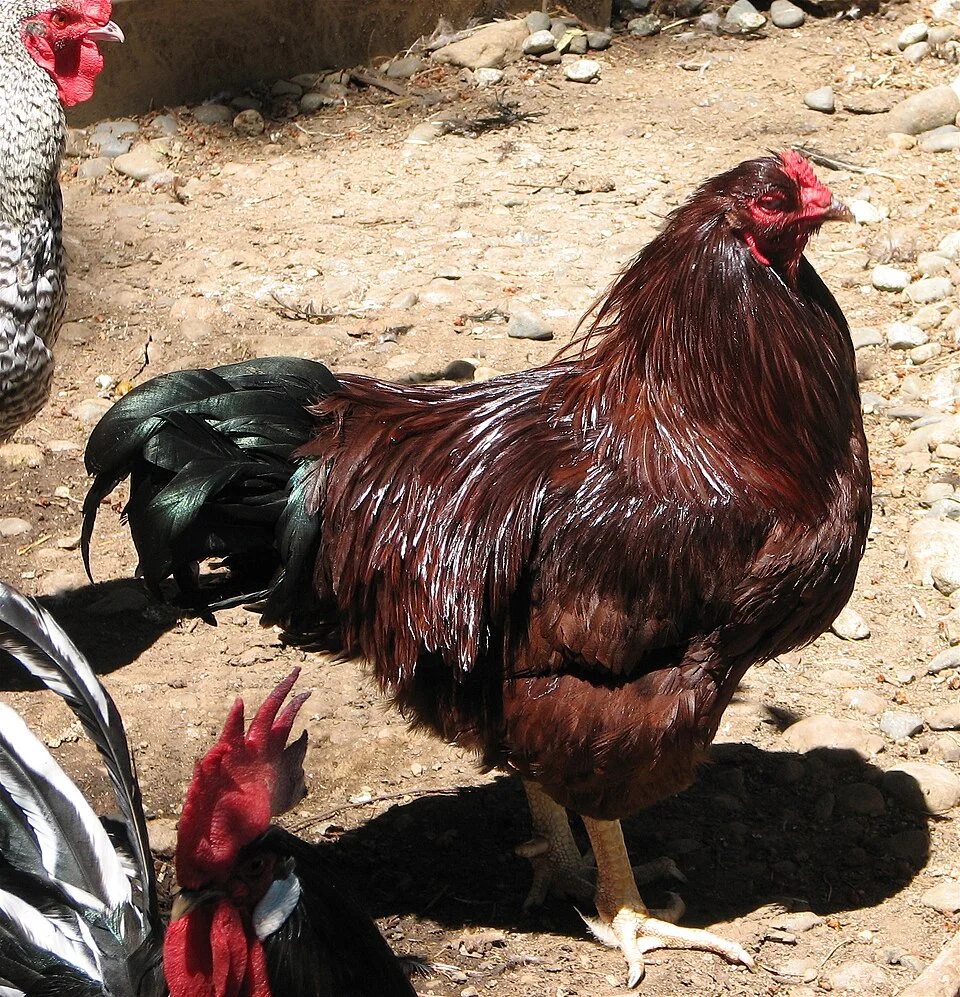
An Ohio original, developed by Nettie Metcalf, with rich red plumage and an inquisitive nature.
Belgium Egg layers
A small, energetic layer with striking barred plumage and a long Flemish history.
Canada Dual purpose
Developed in Quebec with Canadian winters in mind.
China Ornamental & companions
A heavily feathered favorite known for a gentle manner and strong sitting instincts.
England Meat breeds
A broad-bodied heritage breed with a compact, muscular shape.
France Dual purpose
An old Normandy breed with a crest, beard, and unusual V-shaped comb.
Cuba Dual purpose
A Cuban breed admired for its sweeping tail and suitability to heat and humidity.
United States Dual purpose
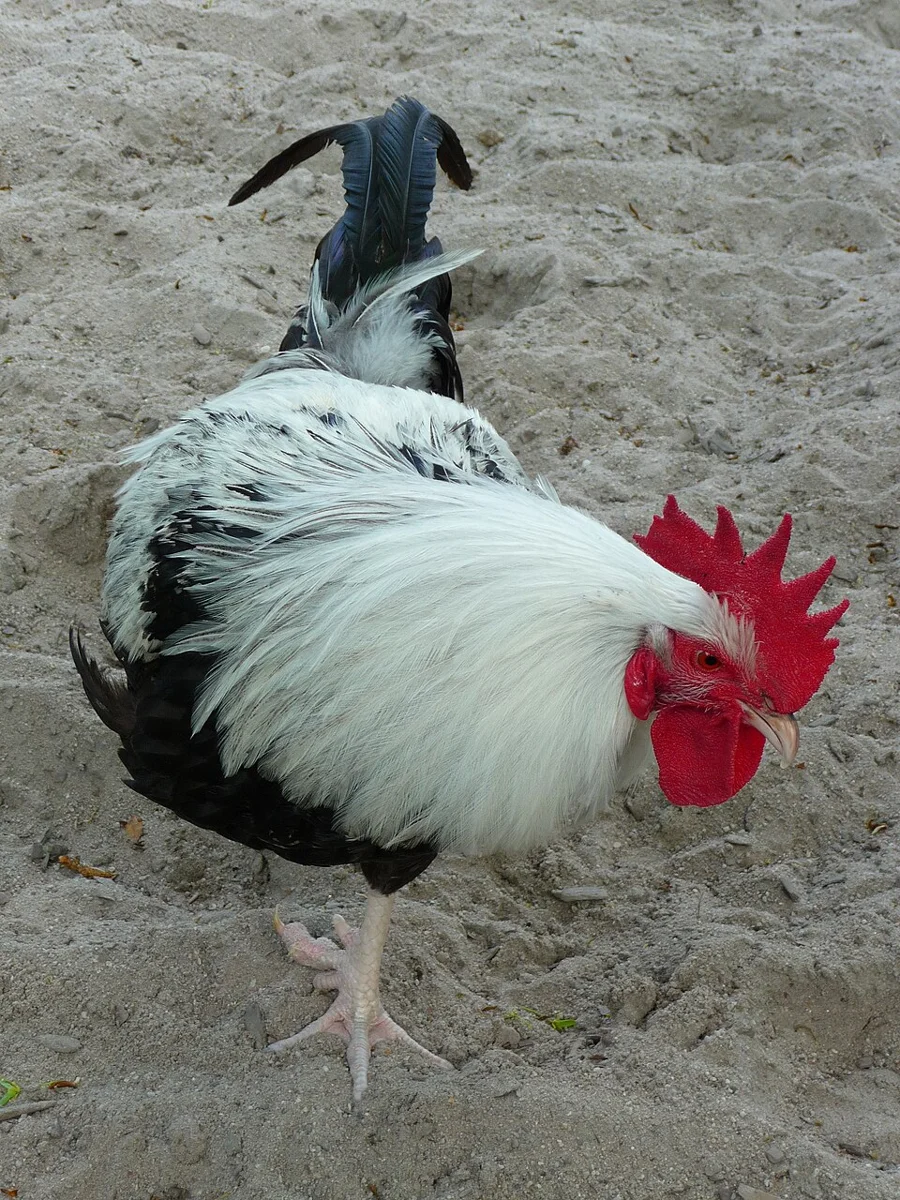
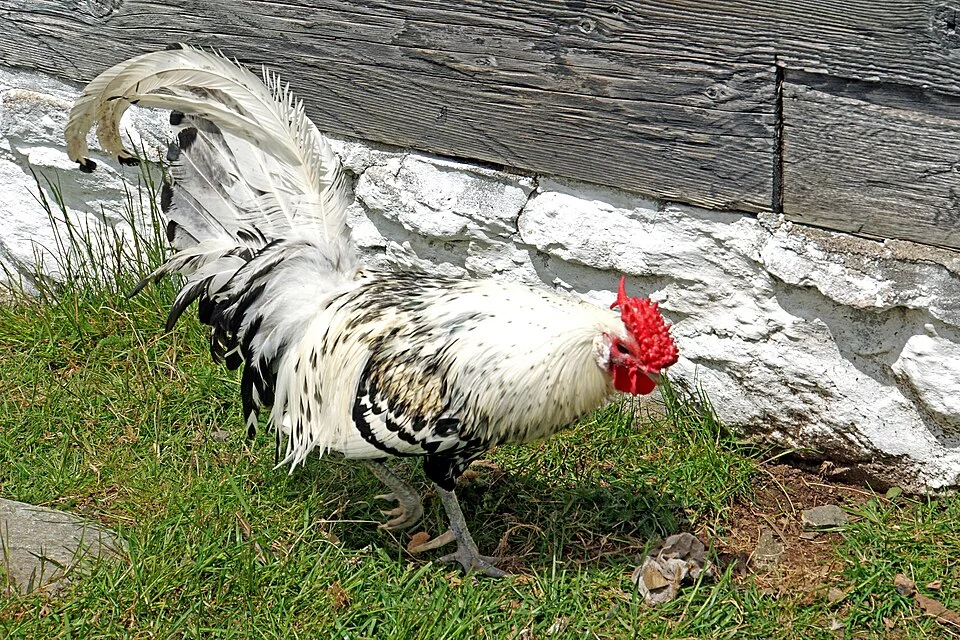
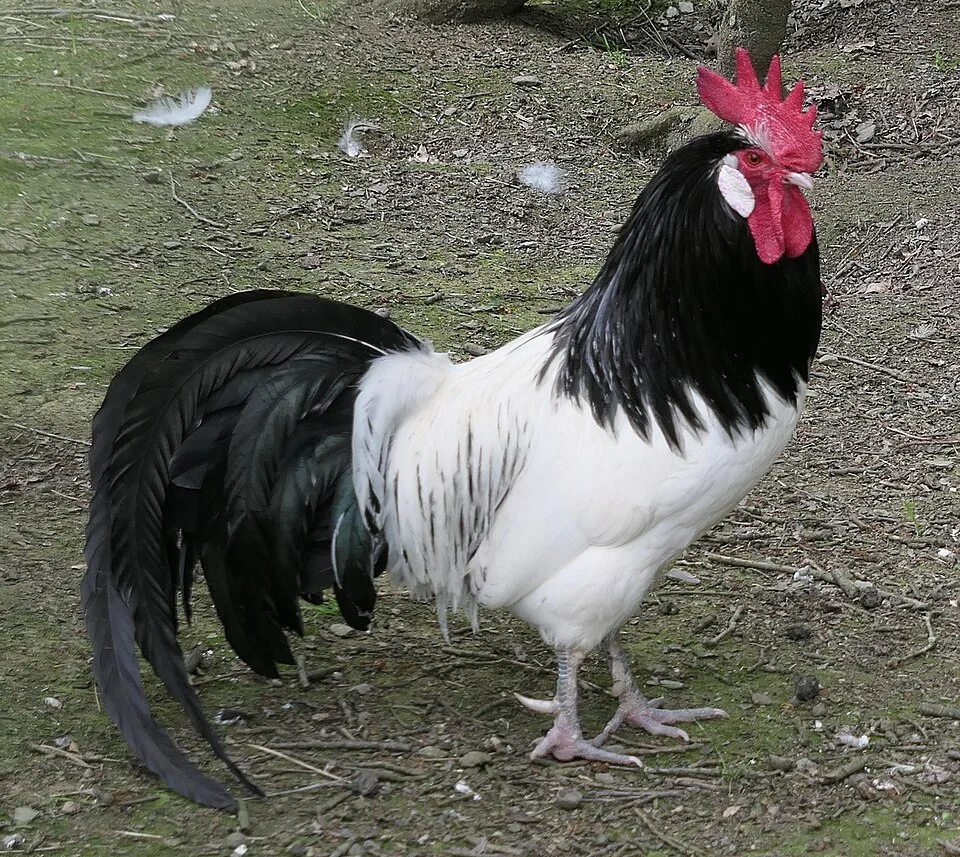
A white-bodied American breed with dark markings and a practical farm history.
United States Dual purpose
One of America's oldest breeds, with barred feathers and a low rose comb.
England Dual purpose
A traditional British breed recognizable by five toes and a generous body.
Mixed ancestry Egg layers
A diverse group of mixed-ancestry chickens associated with colorful eggs.
France Dual purpose
A French favorite with a beard, feathered legs, and five toes.
European origins Egg layers
A light, active layer with an ornamental appearance and several patterned varieties.
United States Dual purpose
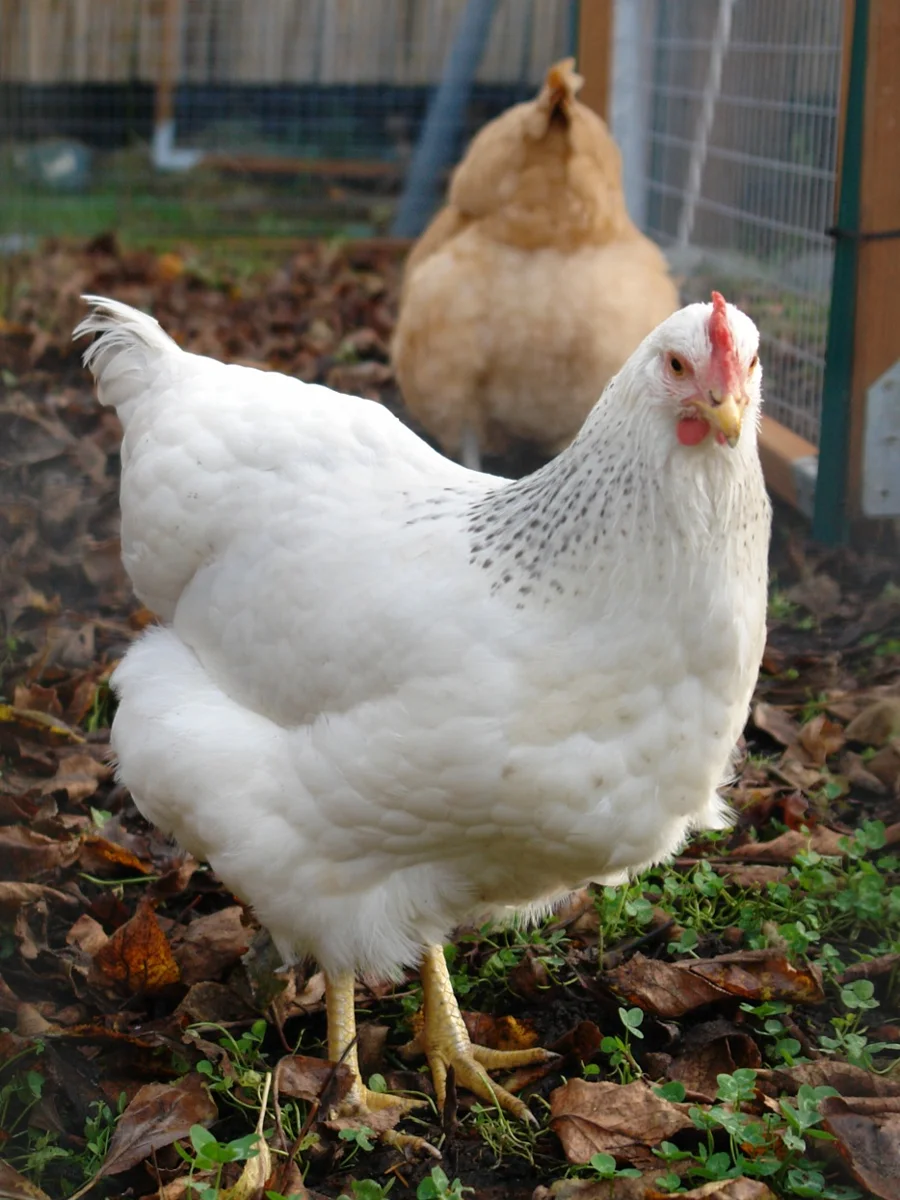
An American dual-purpose breed that brings white eggs to the homestead.
France Dual purpose
A crested, bearded French breed with five toes and a gentle reputation.
Iceland Dual purpose
A varied landrace shaped by centuries of Icelandic farm life.
United States Dual purpose
An old American farm breed valued for calm behavior and foraging.
United States Dual purpose
A notably large, usually mellow breed developed in New Jersey.
France Dual purpose
A French breed with a distinctive horn-shaped comb and a history as a table bird.
Germany and Netherlands Egg layers
A small white-egg layer recognized by its contrasting dark neck and tail.
China Dual purpose
A tall Chinese breed with a calm reputation and feathered legs.
Italy Egg layers
A light, energetic breed with a long history of white-egg production.
France Dual purpose
A French dual-purpose breed especially sought out by brown-egg enthusiasts.
Spain Egg layers
A sizable Mediterranean layer known for very large white eggs.
Historic origins uncertain Ornamental & companions
A small true bantam with an especially useful reputation as a broody hen.
United States Dual purpose
An American breed selected from Rhode Island Red stock for earlier development.
European origins uncertain Ornamental & companions
An eye-catching crested breed that also lays white eggs.
Persia and Russia Meat breeds
A bearded breed associated with cold tolerance and an upright appearance.
England Ornamental & companions
A true bantam with finely laced feathers and a lively presence.
Netherlands Egg layers
A Dutch breed known for large brown eggs that may carry darker speckles.
United States; named supplier lines · Egg layers
A popular brown-egg hybrid with useful chick-color differences. The name belongs in your egg-layer research, with its supplier and parentage kept clear.
United States; parentage varies by source · Egg layers
A familiar brown-egg layer with golden-red and white plumage. Learn what the name tells you, and where different suppliers use different parent crosses.
France; internationally supplied commercial genetics · Egg layers
A widely used commercial brown-egg layer. Separate backyard estimates from the genetics company's longer production-cycle targets before comparing the numbers.
ISA-derived commercial laying stock · Egg layers
White and amber feathers, brown eggs and a mellow supplier description. This named hybrid deserves a clear identity of its own within the commercial laying family.
Multiple planned crosses; U.S. hatchery examples · Egg layers
A family of color-sexable brown-egg crosses, including named Red Star stock. The cross matters more than treating every red hybrid name as interchangeable.
Multiple planned crosses; U.S. hatchery examples · Egg layers
Dark-feathered brown-egg layers with first-generation chick markings. Black Star belongs here, with its named lines distinguished from a single universal cross.
European development; Asian ancestral stock · Ornamental & conservation
A tiny, unbearded bantam with elaborate feathered feet. Its identity, housing and mature proportions make it more than a color variation of d'Uccle.
Asia; long-established European standard development · Ornamental & conservation
One of the tallest chicken breeds, with close feathering and a compact comb. Plan for its carriage, movement needs and flock behavior before its impressive silhouette.
Derbyshire and the Pennines, England · Dual purpose
A historic English utility breed with a remarkable rose comb. Egg laying, foraging and slow-developing show traits belong together in its keeper profile.
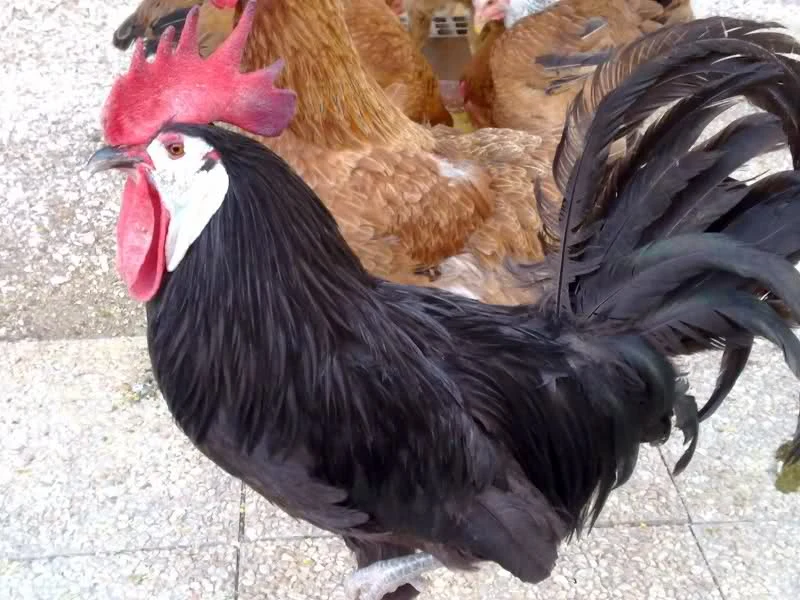
Spanish ancestry; historical Dutch and British development · Egg layers
Glossy black feathers and a striking white face distinguish this old Mediterranean layer. Its full facial development, sensitive features and breeding history deserve careful attention.
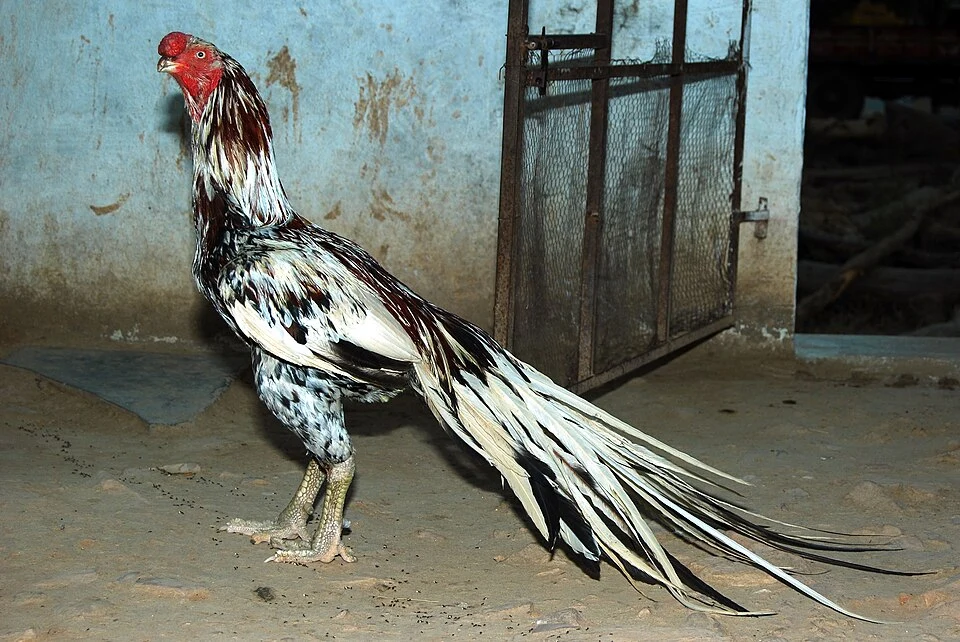
Indian subcontinent; distinct regional and national types · Ornamental & conservation
A muscular, close-feathered breed with deep South Asian roots. Its conservation value comes with demanding flock-management needs and important regional distinctions.
Catalonia, Spain; El Prat de Llobregat · Dual purpose
A buff Mediterranean utility breed with slate legs and black tail feathers. Heat-oriented traits, pale eggs and a conservation story make it worth knowing beyond U.S. retail availability.
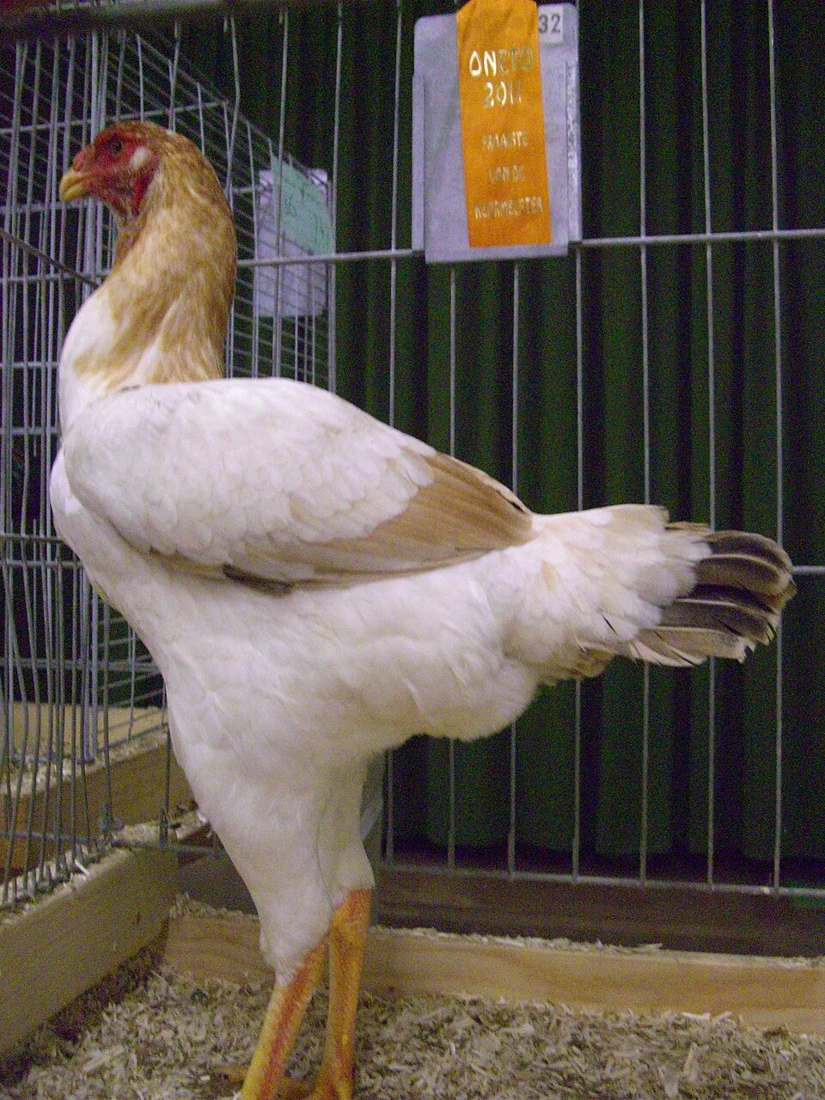
Japan; ancestors associated with Thailand · Ornamental & conservation
An upright Japanese breed with hard feathering and strong regional types. Impressive stature needs to be matched with practical housing and careful separation.

Try another search or clear a filter to see more breeds.
A thoughtful starting point
Explore breed history, identifying traits, production, housing priorities and breeding considerations. Follow the references for the facts behind each profile. Egg output, behavior, and hardiness vary with breeding lines, age, housing, and care.
Explore the breeder directoryA breed, a feather-color variety, a landrace, and a hybrid are different things. We label them so you can ask informed questions.
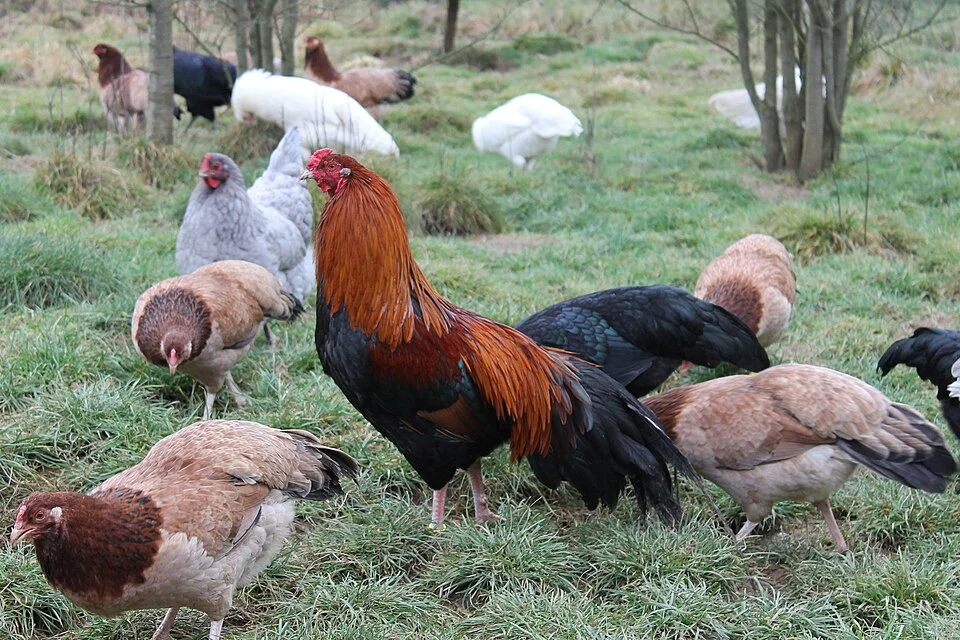
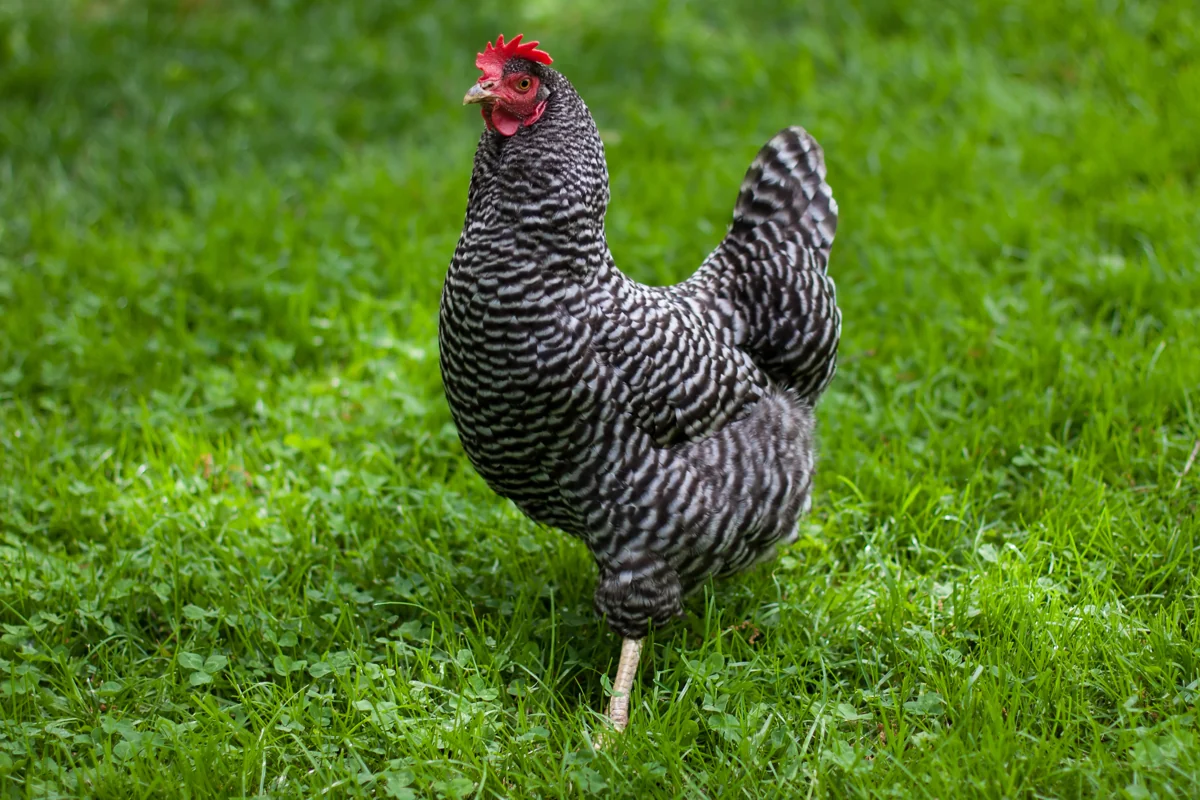
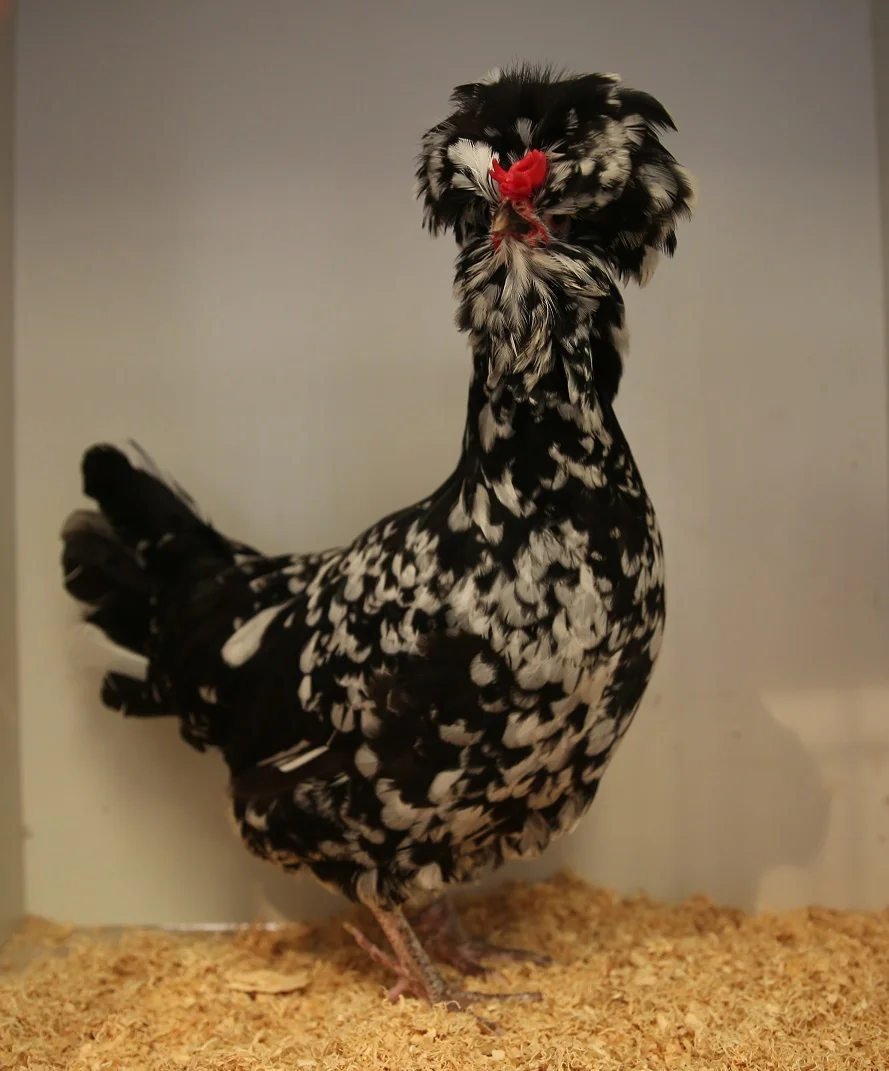
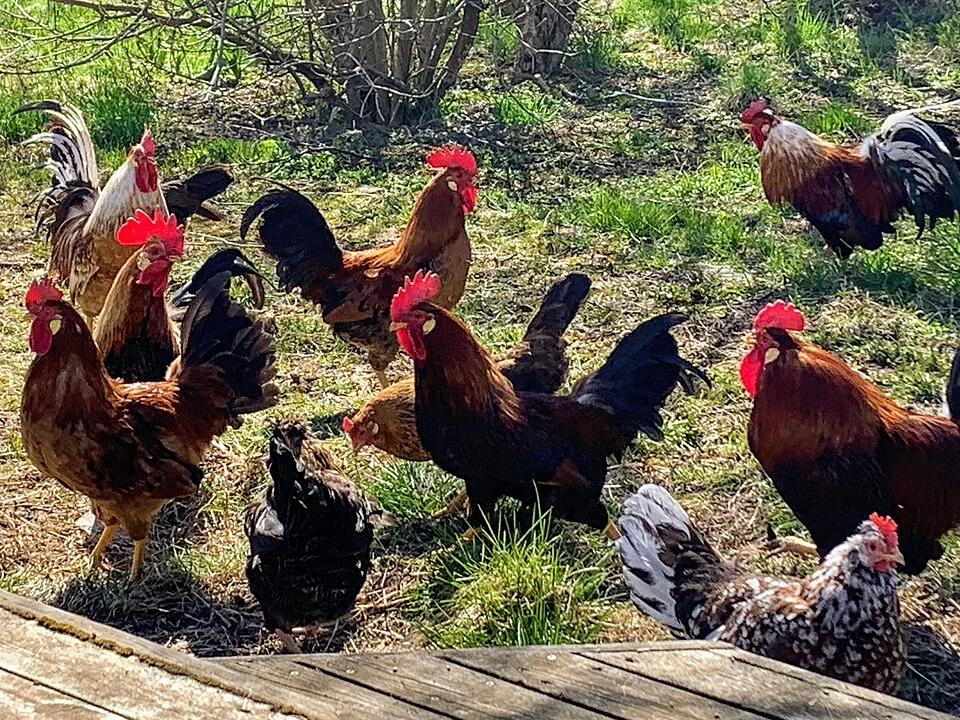
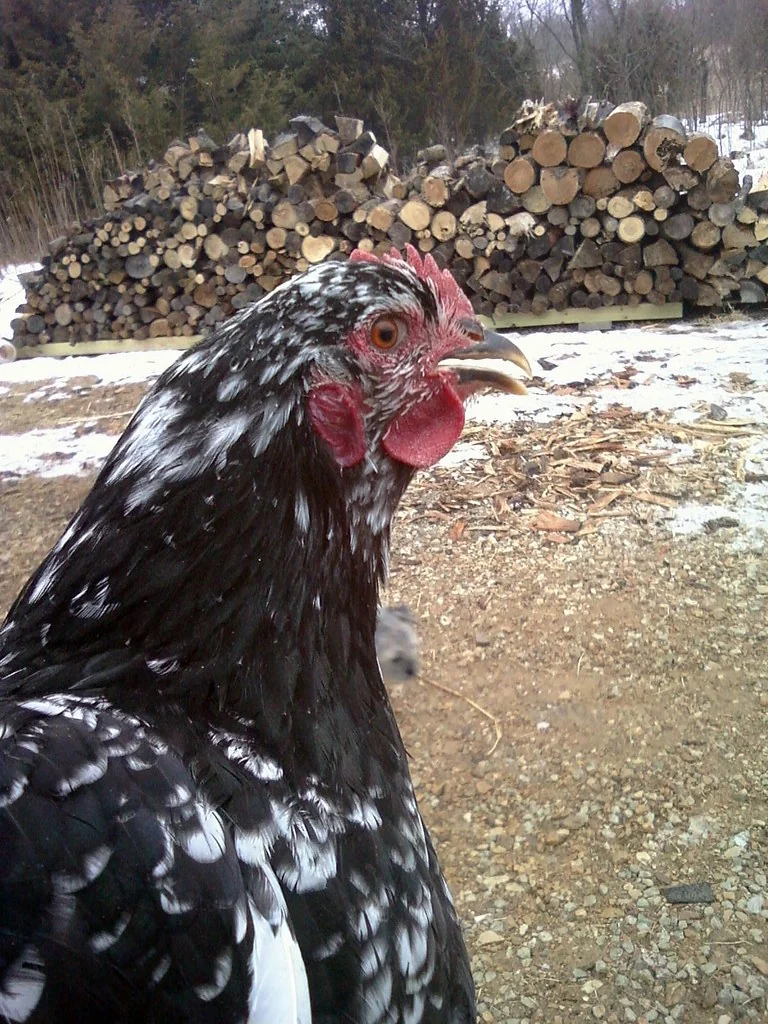
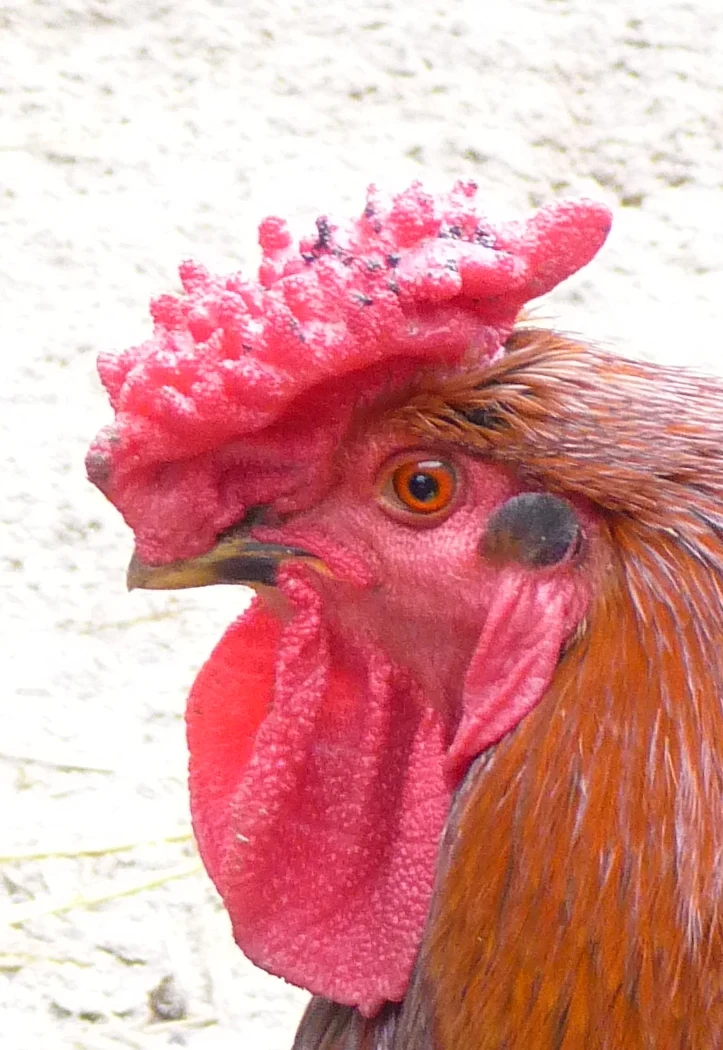
Every profile links to its references. Supplier-line estimates and source differences are explained. Photographs show individual birds and do not certify breed purity.
Explore 57 detailed profiles covering breed history, appearance, egg expectations, development, flock behavior, housing, breeding and choosing your birds. Each includes numbered sources and practical keeper questions.
Read the numbers, know the bird
Each profile separates established breed traits from a named hatchery's estimates. Follow the numbered references to see where a figure comes from.
An annual range is a reference estimate, not a promise. Age, season, broodiness, feeding and flock health affect laying. “Up to” and “fewer than” are limits, not the low end of a production range.
Extension: egg production ↗Adult hen and rooster weights differ from pullet, cockerel or market weights. Bantams need their own size standard. A variety's feather color and a strain's selection goals can change the comparison.
Conservancy: breed charts ↗When references disagree, profiles name the line or standard rather than average unrelated figures. Easter Egger has no category-wide standard, and the cited Silkie references do not support one comparable annual egg count.
See an example: Easter Egger