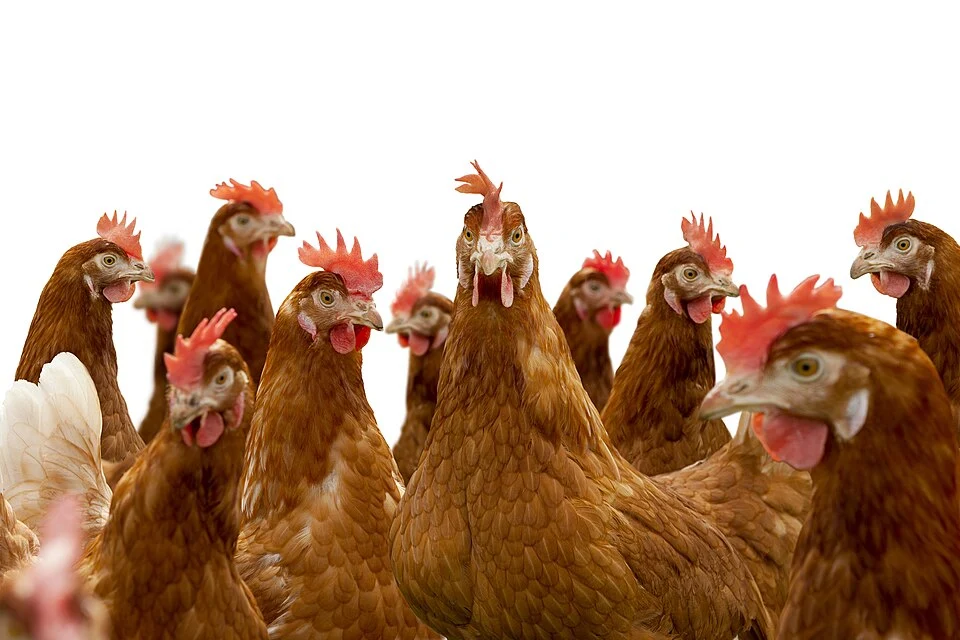
A widely used commercial brown-egg layer. Separate backyard estimates from the genetics company's longer production-cycle targets before comparing the numbers.
Egg color
Brown
Annual eggs
320
Adult size
Hen ~4.3 lb in ISA cage-housing targets; male weight not specified
Broodiness
Occasional in Hoover's retail description
Have ISA Brown in your flock?Your everyday experience could help someone choose their next chickens.
Commercial large-fowl stock; no show-breed bantam standard [2]
Development
ISA cage-housing table: 50% flock production at 145 days (~20.7 weeks), not every pullet's first egg. [1]
Commercial genetics with an identifiable producer
ISA Brown is a commercial laying hybrid supplied through an international genetics program, rather than a single exhibition breed maintained by a color standard. ISA publishes information for both parent stock and commercial layers. Those are different stages of the breeding system and should not be treated as interchangeable backyard purchases.
The name therefore has more meaning when you know the actual source of your hens. Keep the hatchery, hatch date and commercial-stock description. Avoid substituting the history of a vaguely similar red sex-link for the identity of documented ISA stock.
Hoover's describes red female chicks, white male chicks and a single comb. The familiar brown hen is a commercial layer, not a promise of exhibition-uniform plumage. Photographs and color descriptions help recognize the stock but do not disclose the complete breeding program.
Weight references also need context. ISA's cage-housing table gives a hen body-weight target of 1,950 g, approximately 4.3 lb. Hoover's gives a 5–6 lb mature retail range without separating sexes. The fact grid retains those differences instead of inventing one adult rooster weight or averaging unrelated descriptions.
Hoover's advertises 320 large brown eggs annually. ISA instead publishes 476 hen-housed eggs over ages 18–100 weeks in its cage-housing table, with an average 62.5 g egg. Those are different periods and management measures; 476 is not an annual backyard estimate.
First eggs are different from flock production targets
ISA reports 145 days to 50% production in its cage-housing table. That is about 20.7 weeks, but it describes a flock milestone, not the age of every pullet's first egg. Keepers should not convert it into a statement that each backyard hen begins laying on that day.
For your own flock, record hatch date, first observed egg and the rise in weekly output. Where hens share nests, record what you can establish rather than assigning an unidentified egg to a convenient individual. A useful flock record can be accurate without pretending every egg has a signed delivery note.
Hoover's gives a docile retail description and says sitting occurs occasionally. That is a useful initial expectation, while ordinary observation should guide how you handle and introduce the actual birds. A production objective does not establish every hen's behavior around people or flockmates.
Build a routine that lets you see birds eating, drinking and moving. Watch quieter individuals during busy periods. For a mixed flock, make the arrangement easy to adjust if one group dominates a resource. Treat a rooster's handling behavior separately; a laying-hen description is not a temperament assessment of the males.
Backyard care and a commercial guide serve different purposes
The commercial guides are valuable technical references, but a backyard keeper usually has a smaller flock and a different routine. Start with accessible nests, dry bedding, secure sleeping space and reliable water. Make the layout easy to inspect and the instructions easy for a sitter to follow.
Review feed use and output alongside the flock's age and condition. Our recommendation is to use records as a care tool rather than chase a published production target at all costs. A hen that suits your routine is more useful than a spreadsheet that assumes an industrial housing system you do not operate.
Commercial layers do not recreate their parent-stock program
The birds sold as commercial laying hens are not the complete parent-stock breeding system. Hatching their eggs does not establish that you have reproduced the producer's selected commercial generation or its documented performance.
If you make a home cross, keep it labeled as that cross and retain the parent identities. Do not sell the next generation as documented ISA commercial stock merely because a parent was brown and productive. This approach leaves room for an enjoyable backyard breeding project while keeping commercial and conservation identities accurate.
ISA Brown is a relevant option when brown eggs and a practical laying flock are the central goals. Compare its source-specific references with Amberlink, Cinnamon Queen and other red sex-link stock rather than relying on an unlabeled chart of headline egg totals.
In particular, ISA's 476 hen-housed eggs refer to ages 18–100 weeks in a cage-housing production table. Hoover's 320 eggs refer to an annual retail estimate. The periods, denominator and management context differ. Neither should be presented as 476 backyard eggs per year or as a guaranteed outcome for an individual hen.
Use the flock's age, eggs and body condition together. A commercial target is useful context, while your hens' real output and condition should guide the backyard care plan.
These priorities apply the breed traits above to a backyard setup. Use the chick-to-coop planner for young birds and the housing guides for your coop plan.
Questions keepers ask
Does ISA Brown lay 476 eggs every year?
No. That target covers ages 18–100 weeks in the cited commercial table. It is not an annual backyard total. [1]
What does 50% production at 145 days mean?
It is a flock production milestone. It does not mean every individual hen lays its first egg at 145 days. [1]
Why does the profile show different weight references?
The genetics company gives a commercial hen target; the retailer gives an unsplit mature range. They describe different contexts, so both stay identifiable. [1][2]
Can a brown chicken be identified as ISA Brown by its color?
Color alone cannot establish its commercial lineage. Preserve the supplier record and describe unknown stock honestly. [2]
Reviewed October 8, 2026. Breed organizations, university references and conservation histories establish breed traits; hatchery estimates describe named supplier lines. This profile identifies the source of the figures instead of treating them as one standardized trial.
Our care recommendations and suggested records apply those traits and Extension husbandry guidance to a backyard flock. They are editorial advice, not results from a controlled breed trial. A breed reputation does not establish an individual bird's behavior, health or readiness to move outdoors.
Egg-size words are source descriptions, not measured carton grades. Adult weights refer to mature birds, not market or pullet weights. Conservation categories describe U.S. populations. Examples of varieties are not a complete list of every national registry's accepted colors.