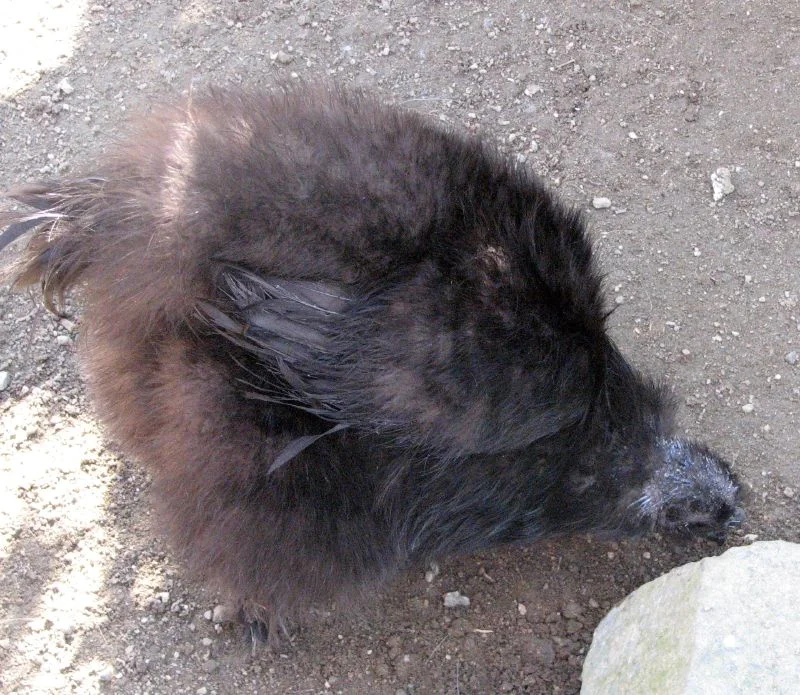
U.S. bantam; British large-fowl classification differs [2]
Asian roots and different national size classifications
Silkie's early history is associated with Asia, with fur-like poultry described in medieval travel accounts. Its precise founding place is uncertain. Modern national classifications differ: the U.S. reference used here describes bantams, while British classification does not map neatly onto that label. Establish the actual size form and standard before comparing weights. The breed's long-standing appeal combines unusual feather texture with companionship and sitting behavior; it should not be evaluated as though its primary role were maximum commercial egg output.
The soft appearance comes from feather structure lacking the hooks that bind an ordinary feather's parts together. Silkies also have a crest, feathered legs, five toes, dark skin and bluish earlobes, with a walnut-type comb. Bearded and non-bearded forms and multiple colors exist. Skin darkness is distinct from plumage color, so a White Silkie can have dark skin. Size and variety requirements depend on the national standard. Look at the whole bird rather than treating one fluffy crest as sufficient proof of identity.
The Poultry Club emphasizes persistent broodiness; hatcheries rate laying qualitatively. A numerical annual total would imply more precision than these references support. Think eggs between sitting spells, with companionship and natural hatching as major strengths.
Young Silkies need the same development-based care decisions as other chicks, with equipment appropriate to their size. Our suggested record tracks hatch date, growth, feather development and first lay. Avoid promising sex from a single early crest or comb photograph; ordinary visual clues are not an autosexing system. Arrange for the possibility of a male when buying unsexed chicks. A fluffy body also makes actual condition worth checking through careful handling rather than assuming that visible volume means a youngster is growing adequately.
The references describe generally gentle birds and persistent broodiness. For a keeper interested in natural hatching, that can be valuable; for someone counting eggs, it means regular interruption is possible. Our recommendation is to check that a sitting hen leaves the nest for food and water and has a manageable, quiet space. Friendly behavior does not guarantee successful introductions to an assertive flock. Observe whether every Silkie reaches resources comfortably, and judge individual rooster behavior separately rather than extending the hens' reputation to all males.
Silkie feathers shed water less effectively than ordinary close-textured plumage. Provide substantial protection from rain, dry bedding and a covered outdoor area that remains usable during wet spells. Their limited flight makes low, accessible roosts and gentle access routes useful. Check feathered feet and crest condition rather than assuming fluff provides weatherproofing. Our practical recommendation is to walk the route from nest to feed and water after rain. Mud, steep ramps or an exposed doorway can make a suitable-looking coop difficult for these birds to use.
Keep size, variety and function in the breeding record
Begin with the size form, national standard and bearded or non-bearded requirements. Record parent identities, structure, hatch results and mothering alongside color. Our recommendation is to retain functional access to food, comfortable movement and sound feet as selection priorities rather than choosing only the largest crest. Ordinary Blue feathering can yield Black, Blue and Splash offspring in appropriate pairings; plumage inheritance is distinct from the breed's dark skin. Keep clear mating records and avoid presenting every mixed-color hatch as an unexpected breed failure.
Silkie is a good candidate when companionship, unusual appearance and natural hatching are central to your flock. It needs a more deliberate rain and access plan than many ordinary-feathered breeds. If uninterrupted egg supply is the priority, choose a laying-focused family instead. Compare Cochin for another broody ornamental option and Nankin for a true bantam with ordinary feather texture. A mixed flock may work with compatible birds, but a separate gentle group is useful when persistent competition makes everyday care difficult.
Prioritize dry shelter, low accessible roosts and compatible gentle flockmates. Persistent broodiness is a major practical trait, so choose companionship or natural hatching ahead of maximum egg output.
These priorities apply the breed traits above to a backyard setup. Use the chick-to-coop planner for young birds and the housing guides for your coop plan.
Questions keepers ask
Does a White Silkie have white skin?
No. The dark skin trait is separate from feather color. White, Black and other plumage presentations can share it. Evaluate breed identity from the combination of characteristics and records, rather than using plumage color as a prediction of skin color. [4]
Are Silkies waterproof because they look fluffy?
No. Their feather texture sheds water less effectively than ordinary feathers. Provide rain protection and dry shelter, and check the crest and feet after wet weather. A thick-looking outline is not evidence of waterproof plumage. [4][5]
Why is there no single annual egg number here?
The cited sources describe limited laying and persistent broodiness without one comparable annual count. Eggs arrive between sitting spells. Giving a precise total would conceal that variation, so this profile explains the pattern instead of inventing a universal figure. [1][4]
Can a Silkie use the same high roost as my other hens?
Check the individual's ability to reach it and land safely. Limited flight makes low accessible perches or suitable ramps useful. Keep bedding dry and observe nighttime arrangements rather than assuming every chicken can use the highest perch comfortably. [4][5]
Reviewed October 7, 2026. Breed organizations, university references and conservation histories establish breed traits; hatchery estimates describe named supplier lines. This profile identifies the source of the figures instead of treating them as one standardized trial.
Our care recommendations and suggested records apply those traits and Extension husbandry guidance to a backyard flock. They are editorial advice, not results from a controlled breed trial. A breed reputation does not establish an individual bird's behavior, health or readiness to move outdoors.
Egg-size words are source descriptions, not measured carton grades. Adult weights refer to mature birds, not market or pullet weights. Conservation categories describe U.S. populations. Examples of varieties are not a complete list of every national registry's accepted colors.